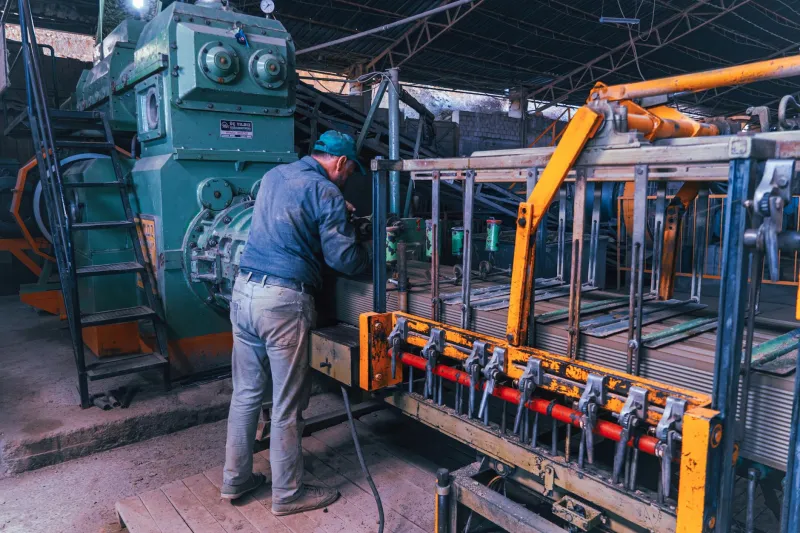
In a Willow Run bomber plant outside Detroit, something remarkable was happening in 1943. Workers building B-24 Liberators weren't just taking lunch breaks — they were participating in what industrial psychologists would later call the most effective workplace intervention of the 20th century.
Then the war ended, and corporate America completely forgot about it.
The Wartime Productivity Crisis
By 1942, American factories were running around the clock to meet wartime demands. Workers were pulling 12-hour shifts, seven days a week, building everything from aircraft engines to artillery shells. The human cost was staggering: error rates soared, accidents multiplied, and productivity actually declined despite the longer hours.
Something had to change.
Enter Dr. Lillian Gilbreth, an industrial engineer who would become known as the "mother of modern management." Working with the War Production Board, she began studying factory floors across the Midwest, looking for ways to maintain output while keeping workers mentally sharp.
What she discovered would revolutionize how we think about workplace breaks — for exactly three years.
The 20-Minute Reset That Changed Everything
Gilbreth's solution wasn't just another coffee break. She developed what she called "structured restoration periods" — 20-minute mid-shift sessions that combined physical movement, mental exercises, and social interaction in a specific sequence.
Here's how it worked: At exactly the halfway point of each shift, workers would stop what they were doing and gather in designated areas. The first five minutes involved light stretching and breathing exercises. The next ten minutes were spent in small group discussions about non-work topics — family, hobbies, current events. The final five minutes included simple mental puzzles or word games.
The results were immediate and dramatic.
Numbers That Shocked Management
At the Ford Willow Run plant, error rates dropped by 23% within the first month of implementing Gilbreth's system. Worker injuries decreased by 18%. Most surprising of all, overall productivity increased by 15%, despite the "lost" 20 minutes per shift.
Similar results appeared across participating factories. At Boeing's Seattle plant, assembly line defects fell by nearly 30%. At Chrysler's tank production facility in Detroit, worker absenteeism dropped to its lowest levels since the war began.
"We were skeptical at first," recalled plant manager Harold Morrison in a 1944 interview. "Twenty minutes seemed like a lot of time to give up. But the workers came back sharper, more focused. The improvement in quality more than made up for any lost production time."
The Science Behind the Success
What Gilbreth had stumbled onto, decades before neuroscience could explain it, was the brain's need for what we now call "active recovery." The structured breaks weren't just rest periods — they were carefully designed cognitive reset sessions.
The physical movement increased blood flow and oxygen to the brain. The social interaction activated different neural networks than those used in repetitive factory work. The mental puzzles provided what psychologists now call "cognitive switching" — giving overworked brain circuits a chance to recover while engaging others.
"She basically created a 20-minute neurological reboot," explains Dr. Michael Torres, a workplace psychology researcher at Carnegie Mellon. "The workers weren't just resting — they were actively restoring their cognitive resources."
Why It Vanished After Victory
When the war ended in 1945, something strange happened. The structured break system that had proven so effective during wartime production was quietly abandoned across American industry.
Part of the reason was practical: with production demands decreasing and workers returning from overseas, the pressure to maximize efficiency wasn't as intense. But there was also a cultural shift happening.
The post-war economic boom brought new management philosophies focused on individual productivity rather than collective well-being. The idea of "structured" breaks seemed too regimented, too reminiscent of wartime controls that Americans were eager to leave behind.
"There was this sense that we could return to 'normal' business practices," says labor historian Dr. Patricia Walsh. "The innovations that helped win the war were seen as temporary measures, not permanent improvements."
The Hidden Cost of Forgetting
What American industry lost when it abandoned Gilbreth's system wasn't just a productivity technique — it was a fundamental understanding of how human attention actually works.
For the next 70 years, workplace breaks became largely unstructured. Workers grabbed coffee when they could, checked personal phones, or simply powered through fatigue. The idea that breaks could be optimized for cognitive restoration was largely forgotten.
Meanwhile, workplace stress, burnout, and attention-related errors steadily increased across American industry.
The Rediscovery
Today, occupational psychologists are essentially reverse-engineering what Gilbreth figured out in 1943. Research on "micro-recovery" and "attention restoration theory" is validating the same principles she used to boost wartime production.
Companies like Google and Microsoft have begun experimenting with structured break protocols remarkably similar to those used in 1940s factories. The terminology has changed — they're called "mindfulness sessions" or "cognitive wellness breaks" — but the core elements remain the same: physical movement, social interaction, and mental switching.
"We're basically rediscovering industrial psychology from the 1940s," admits Dr. Torres. "It's embarrassing how long it took us to realize that Gilbreth had already solved this problem."
What We Can Learn Today
The story of the forgotten factory break reveals something important about how innovation actually works. Sometimes the most effective solutions emerge during crisis periods, when conventional thinking gets temporarily suspended and experimentation becomes essential.
The tragedy is that when the crisis passes, we often discard these innovations along with the circumstances that created them.
As remote work and digital overwhelm create new forms of workplace fatigue, maybe it's time to look back at what those 1940s factory workers figured out about the rhythm of human attention. Their 20-minute solution might be exactly what our always-on work culture needs.
The war may be over, but the battle for workplace well-being continues — and we already know how to win it.