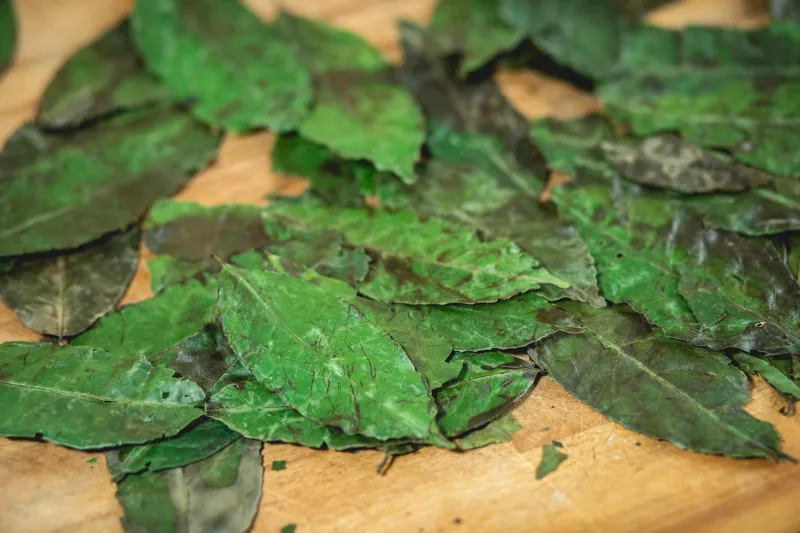
The Grocery Store That Grew Wild
In the remote hollers of Appalachia, there's a saying that's been passed down for generations: "The mountain provides." For families who settled these rugged peaks in the 1800s, that wasn't just folk wisdom — it was a survival strategy that kept them healthier than many of their town-dwelling neighbors, even through winters that could last six months.
While city folks were battling scurvy, rickets, and seasonal depression, mountain families were thriving on a wild pharmacy that grew right outside their cabins. They didn't have access to imported citrus fruits or expensive supplements, but they had something better: generations of knowledge about which wild plants could sustain human health through the darkest, coldest months of the year.
The Three Pillars of Mountain Medicine
Appalachian foragers built their winter health strategy around three key plants that modern nutritionists are only now beginning to understand. These weren't just survival foods — they were concentrated medicine disguised as dinner.
Ramps: The Allium That Outpowers Garlic
Every spring, mountain families would venture into shaded creek bottoms to harvest ramps — wild leeks with broad, flat leaves and a pungent smell that could clear your sinuses from across the holler. They'd pickle them, dry them, and preserve them in various ways to last through winter.
What they didn't know was that they were stockpiling one of nature's most potent antimicrobial plants. Recent studies at the University of Kentucky found that ramps contain sulfur compounds that are up to three times more concentrated than those in cultivated garlic. These compounds don't just fight off bacteria — they boost white blood cell production and help the body manufacture its own antibiotics.
Dr. Sarah Mitchell, who studies traditional Appalachian foodways, notes that families who regularly consumed preserved ramps had remarkably low rates of respiratory infections — something that mystified visiting doctors from the lowlands.
Spicebush: The Native Vitamin C Powerhouse
While sailors were dying of scurvy on long voyages, mountain families were brewing tea from spicebush berries and bark. This native shrub, which grows abundantly throughout Appalachian forests, was their secret weapon against winter illness.
Spicebush berries contain more vitamin C per ounce than oranges, plus a cocktail of antioxidants that researchers are still cataloging. But the real genius was in how mountain families prepared it. They'd dry the berries and bark together, creating a tea blend that could be stored for months without losing potency.
Modern analysis shows that this traditional preparation method actually concentrates the plant's bioactive compounds. The slow-drying process mountain families used creates chemical changes that make the nutrients more bioavailable than fresh consumption.
Wild Ginger: The Root That Warmed From Within
Perhaps most impressive was their use of wild ginger — not the tropical variety you find in grocery stores, but a native North American species with heart-shaped leaves and underground rhizomes that pack serious medicinal punch.
Mountain families would dig these roots in late fall, creating tinctures and dried powders that they'd use throughout winter. They called it "belly warmer" and used it for everything from digestive issues to joint pain.
Research at the Appalachian Regional Research Institute has revealed why this folk remedy worked so well. Wild ginger contains unique gingerol compounds that increase circulation, reduce inflammation, and actually help the body generate more internal heat — crucial for surviving in drafty cabins without central heating.
The Wisdom That Science Couldn't See
What makes these traditional practices so remarkable isn't just that they worked — it's how sophisticated the knowledge system was. Mountain families understood concepts that nutritional science wouldn't formally recognize for another century.
They knew about nutrient timing, consuming vitamin C-rich foods early in winter when their bodies needed immune system support most. They understood food combining, often preparing wild plants together in ways that enhanced absorption. They even grasped the importance of gut health, using fermented wild plant preparations that we now know support beneficial bacteria.
The Knowledge That Almost Disappeared
By the 1950s, as roads reached deeper into Appalachian communities and modern grocery stores arrived, much of this traditional knowledge began to fade. Younger generations grew up reaching for store-bought remedies instead of learning which plants their grandparents had relied on.
Dr. Patricia Crown, an ethnobotanist who's spent decades documenting traditional Appalachian plant use, estimates that 80% of the region's wild food knowledge has been lost in just two generations. "We're talking about a sophisticated understanding of plant medicine that took centuries to develop," she says, "and it's disappearing faster than the forests themselves."
What Modern Foragers Are Rediscovering
Today, a new generation of foragers and herbalists is working to reconstruct this lost knowledge, often with surprising results. Urban foraging groups are discovering that many of these "mountain plants" actually grow in city parks and suburban woodlands — they just needed to know what to look for.
Some health-conscious Americans are even creating modern versions of traditional Appalachian wild food preserves, using freeze-drying and other contemporary preservation methods to capture the nutritional benefits that mountain families accessed through simpler techniques.
The Pharmacy That Never Closed
The most remarkable thing about Appalachian wild food traditions isn't that they worked — it's that they worked so well. These mountain communities developed a sustainable, locally-adapted health system that supported human thriving without depleting natural resources.
In an era when we're spending billions on supplements and superfoods, often imported from thousands of miles away, there's something profound about remembering that our ancestors found everything they needed growing right outside their doors. Sometimes the most advanced medicine is the kind that's been hiding in plain sight all along.