The Mountain Remedy Everyone Forgot
Tuck into any Appalachian holler in the 1800s during a difficult childbirth, and you'd likely find the local midwife brewing a particular tea. Not for the laboring mother, but for the anxious family members pacing outside — folks suffering from what mountain communities called "the worries."
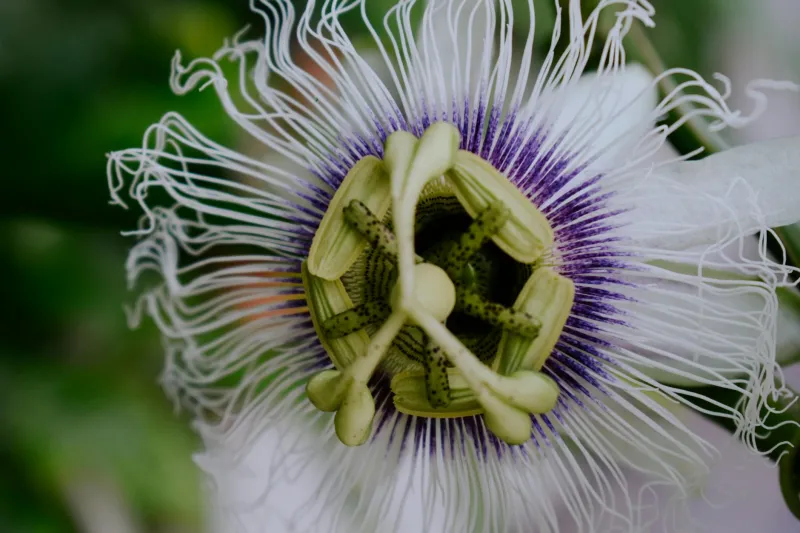
That tea contained passionflower, a climbing vine with intricate purple blooms that grew wild across the region. While coastal doctors were prescribing laudanum and other dangerous opiates for nervous conditions, Appalachian healers had quietly perfected a anxiety treatment that modern pharmacology is only now beginning to understand.
More Than Mountain Folklore
Here's what those midwives couldn't have known: passionflower contains compounds that bind to the same GABA receptors in your brain as prescription anti-anxiety medications like Xanax and Valium. They just knew it worked.
Generations of mountain women passed down specific preparation methods — when to harvest the leaves and flowers, how long to steep the tea, even which phase of the moon produced the most potent medicine. This wasn't superstition; it was empirical observation refined over centuries.
Modern clinical trials have validated their intuition. Studies show passionflower extract reduces anxiety as effectively as benzodiazepines, but without the cognitive impairment, dependency risks, or withdrawal symptoms that plague prescription alternatives.
The Grocery Store Discovery
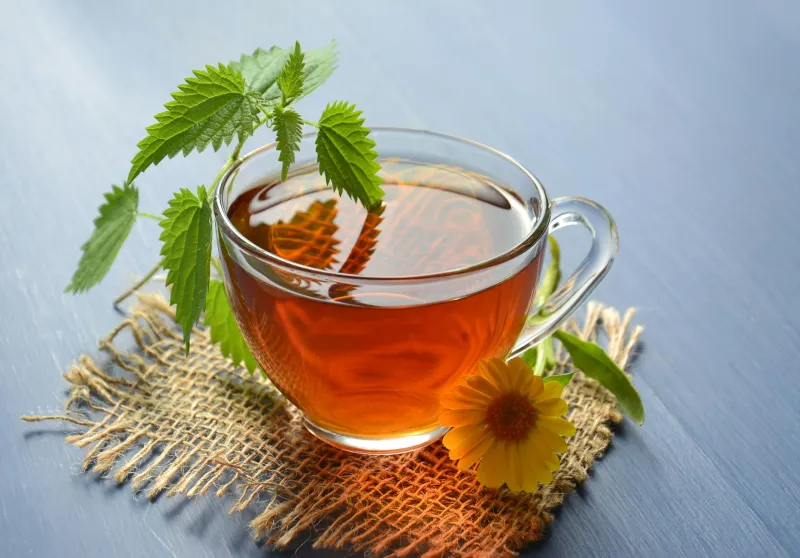
Walk down the tea aisle of any major grocery store today and you'll find passionflower listed as an ingredient in "calming" or "bedtime" blends. Most Americans pick up these boxes without realizing they're holding a remedy that rural communities once considered as essential as aspirin.
The plant that Appalachian midwives called "maypop" (for the sound the fruit makes when stepped on) is now grown commercially and processed into standardized extracts. But somehow, the knowledge of its specific anti-anxiety properties got lost in translation from mountain cabin to corporate tea blend.
What the Midwives Actually Knew
Appalachian healers didn't just throw passionflower leaves in hot water and hope for the best. They developed sophisticated protocols based on careful observation of what worked.
For acute anxiety — what they called "a case of the worries" — they'd prepare a strong tea using both leaves and flowers, steeped for exactly 15 minutes. For ongoing nervous tension, they preferred a lighter daily brew made only from leaves. For sleep troubles, they'd add the vine's tendrils, which contain higher concentrations of the plant's sedative compounds.
They also knew timing mattered. Fresh passionflower worked differently than dried, and they'd adjust dosages based on the person's size, age, and the severity of their symptoms. This level of precision rivals what you'd find in any modern herbal medicine textbook.
The Science Behind the Stories
Researchers studying passionflower have identified the specific mechanisms those mountain midwives observed. The plant contains chrysin, vitexin, and other flavonoids that enhance GABA activity in the brain — the same neurotransmitter system that prescription anxiety drugs target.
But unlike synthetic medications, passionflower seems to work more gently, without the cognitive dulling that many people experience with pharmaceutical options. Studies show it reduces anxiety while actually improving mental clarity and focus — exactly what Appalachian healers claimed.
Even more intriguing, passionflower appears to help with anxiety-related insomnia without causing next-day grogginess. Mountain communities prized it specifically because people could take it before bed and still wake up clearheaded for farm work.
Finding Your Own Mountain Medicine
You don't need to forage in Appalachian hollers to access this traditional remedy. Passionflower tea, tinctures, and standardized extracts are widely available, though quality varies significantly between brands.
Look for products that specify the plant's Latin name (Passiflora incarnata) and contain standardized amounts of active compounds. Many commercial "calming" teas contain such small amounts of passionflower that they're essentially useless — something those mountain midwives would have figured out immediately.
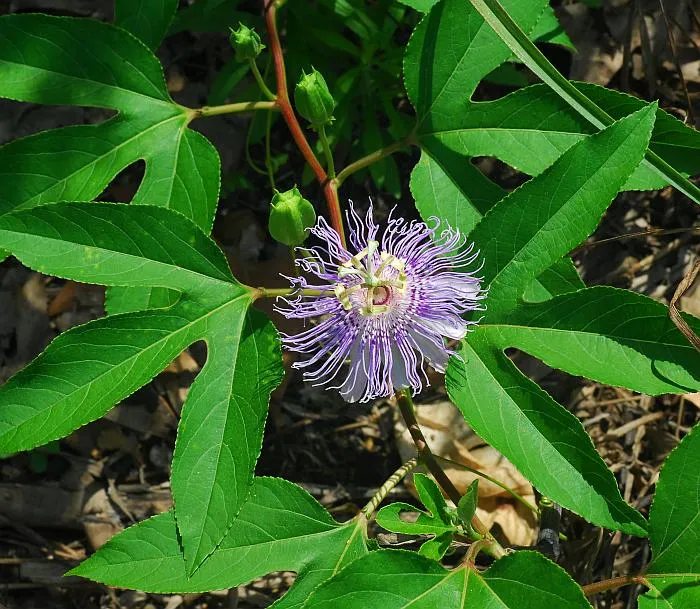 Photo: Passiflora incarnata, via www.missouriplants.com
Start with a cup of properly prepared passionflower tea in the evening and pay attention to how it affects your sleep and morning clarity. The mountain folk believed the best medicines revealed themselves gradually, and modern research suggests they were right about that too.
The Wisdom We Walked Past
Next time you're wandering the tea aisle, remember that those mountain midwives were practicing precision medicine long before anyone called it that. They just happened to do it with plants instead of patents, and their pharmacy grew wild on the hillsides instead of inside corporate laboratories.