The Hawaiian Word for Peak Mental Performance That Neuroscience Just Discovered
The Dawn Ritual That Puzzled Anthropologists
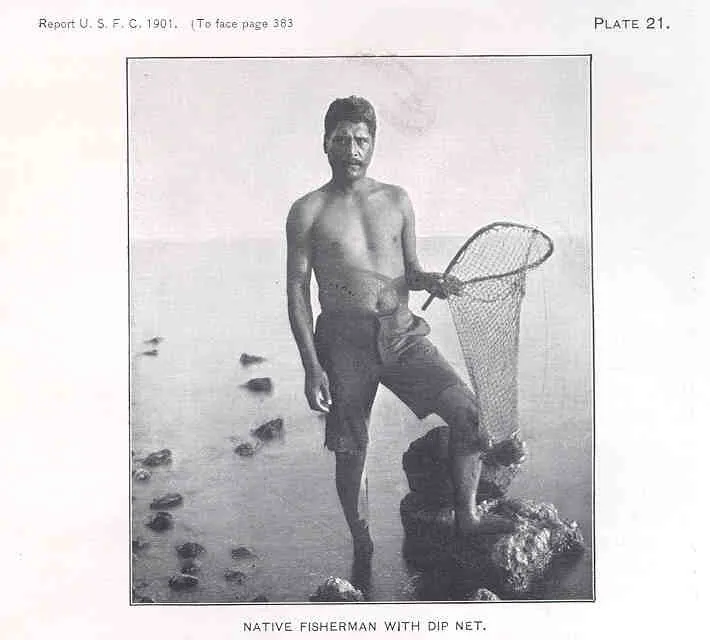
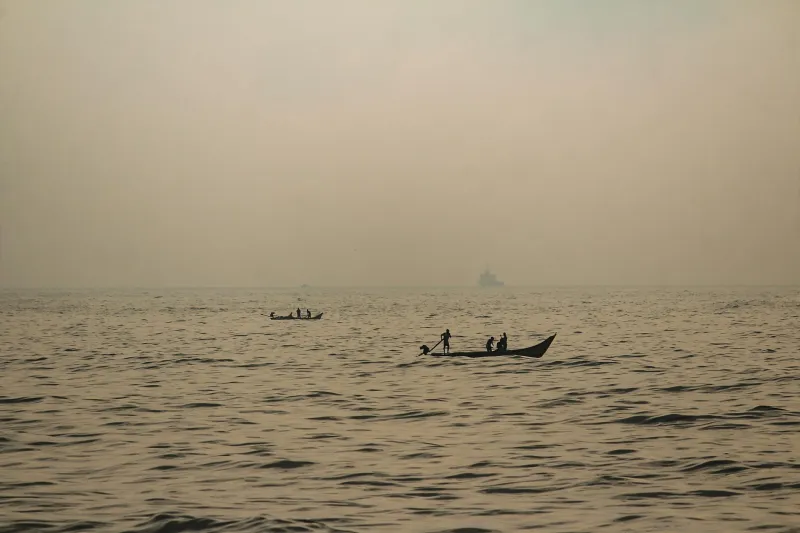
In the predawn darkness of ancient Hawaii, something remarkable happened along the shorelines of fishing villages. While most of the community slept, experienced fishermen would gather at the water's edge, not to immediately launch their boats, but to enter what they called ho'oponopono wai — literally "making the waters right."
This wasn't a fishing technique. It wasn't prayer or meditation in any recognizable sense. For 30-60 minutes, these men would sit in absolute stillness, eyes half-closed, breathing in rhythm with the waves, entering a state of awareness that Hawaiian culture recognized as essential preparation for successful fishing.
Western anthropologists who documented these practices in the early 1900s dismissed them as superstition. They were wrong.
The Borderland State Science Forgot
What those fishermen were accessing — and what their culture had mapped with remarkable precision — was what neuroscientists now call the hypnagogic state: the transitional zone between waking consciousness and sleep where the brain operates in a unique pattern of alpha and theta waves.
Dr. Erin Wamsley, a cognitive neuroscientist at Furman University who studies consciousness transitions, explains: "The hypnagogic state represents a sweet spot where logical thinking relaxes enough to allow creative insights, while maintaining sufficient awareness to capture and remember those insights."
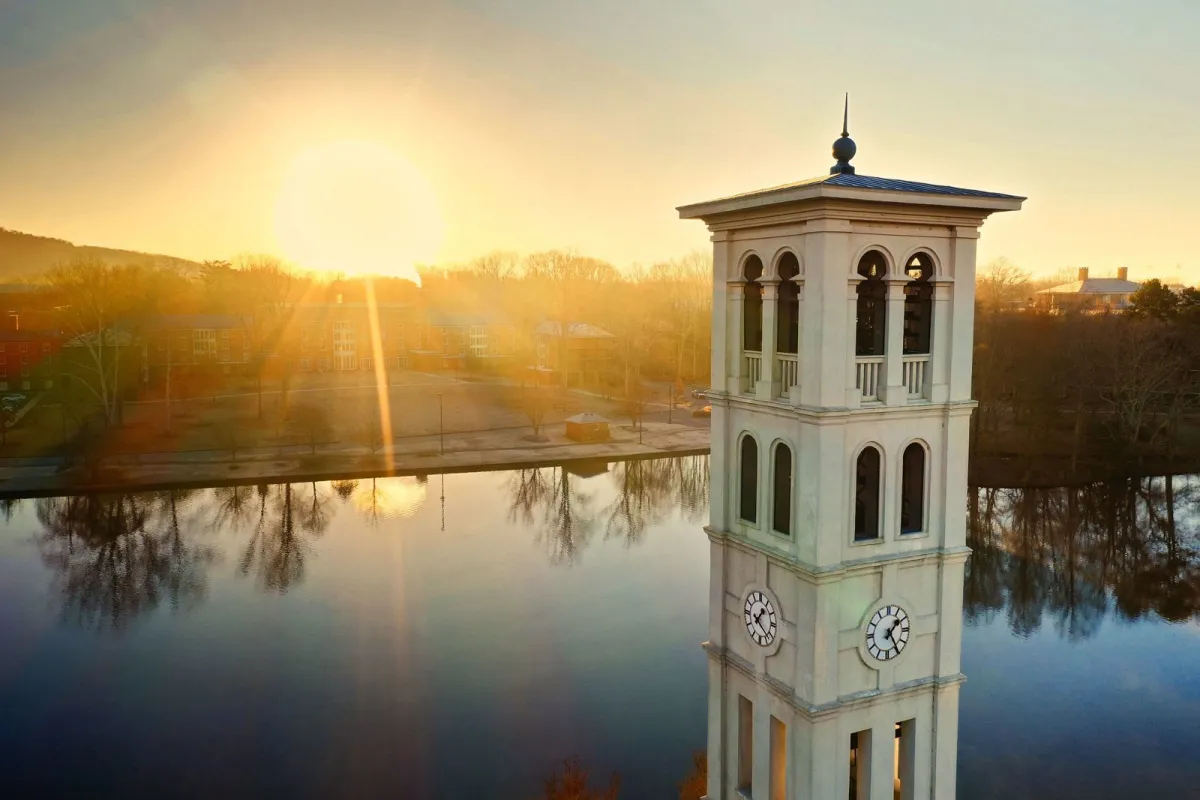 Photo: Furman University, via www.furman.edu
Recent EEG studies show that during this borderland state, the brain's default mode network — responsible for self-referential thinking and mental chatter — significantly quiets down, while areas associated with pattern recognition and creative problem-solving become hyperactive.
The Hawaiian fishermen weren't just relaxing before work. They were deliberately accessing an optimal brain state for the complex environmental pattern recognition their survival depended on.
The Neuroscience of Ancient Wisdom
Modern sleep laboratories have confirmed what Hawaiian fishing communities knew intuitively: the moments between sleep and waking offer unique cognitive advantages that fully alert consciousness cannot match.
When researchers at Harvard monitored brain activity during hypnagogic transitions, they found that participants showed dramatically enhanced performance on insight problems — the kind of "aha!" moments where solutions seem to appear from nowhere. Subjects in this borderland state solved 30% more creative puzzles than when fully alert.
Even more remarkably, the brain appears to continue processing complex information during these transitions, often arriving at solutions that conscious analysis missed entirely. This explains why so many breakthrough discoveries — from Kekulé's benzene ring structure to Tesla's rotating magnetic field — reportedly came during drowsy, half-awake moments.
The Hawaiian fishermen were essentially hacking their neurobiology to optimize pattern recognition for reading ocean conditions, fish behavior, and weather changes that determined the difference between successful fishing and empty nets.
The Cultural Technology We Lost
What made the Hawaiian approach sophisticated wasn't just the recognition of this mental state, but the systematic way they cultivated it. The practice involved specific environmental cues, breathing patterns, and attention techniques that reliably induced the optimal brain state.
Fishermen would position themselves where they could hear but not see the waves, allowing auditory rhythms to guide their breathing without visual distractions. They learned to maintain what they called maka hiapo — "first eyes" — a soft, unfocused gaze that prevented the sharp attention that would snap them into full wakefulness.
Most importantly, they understood timing. The practice worked best during natural circadian low points when the brain was already primed for alpha-theta activity. They weren't fighting their neurobiology; they were working with it.
Dr. Matthew Walker, author of "Why We Sleep" and director of UC Berkeley's Sleep and Neuroimaging Lab, notes that "indigenous cultures often developed remarkably sophisticated understanding of consciousness states that we're only now validating with modern neuroscience tools."
 Photo: Dr. Matthew Walker, via tim.blog
Why Modern Culture Misses This Entirely
In our hyperconnected, always-on culture, we've essentially eliminated the conditions that allow hypnagogic states to occur naturally. We jolt awake with alarm clocks, immediately check phones, and flood our systems with caffeine — creating the opposite conditions of what the Hawaiian fishermen cultivated.
The result? We're missing out on one of the most accessible cognitive enhancement tools available. While biohackers spend thousands on neurofeedback devices and nootropics, the brain state that could provide similar benefits remains largely untapped.
Research from MIT's Dream Lab shows that even brief periods of hypnagogic relaxation can boost creative problem-solving for hours afterward. Yet most Americans experience this state only accidentally, if at all.
The Modern Application Hiding in Plain Sight
You don't need to become a Hawaiian fisherman to access these benefits, but you do need to understand the specific conditions that make it work.
Timing is crucial. The state occurs most readily during natural energy dips: early morning before full wakefulness, mid-afternoon around 2-3 PM, or early evening. Fighting these natural rhythms makes it nearly impossible.
Environment matters. The practice requires a space free from jarring stimuli but not completely silent. Gentle, rhythmic sounds — ocean waves, steady rain, or even consistent white noise — help maintain the borderland state without pulling you into full sleep.
Attention technique is specific. This isn't meditation or focused concentration. It's more like maintaining awareness while letting go of control — what the Hawaiians called "watching without looking."
Duration is limited. The optimal window appears to be 20-45 minutes. Longer sessions risk falling into deep sleep, shorter ones don't allow sufficient time for the brain state transition.
The Insight Revolution We're Missing
Perhaps most intriguingly, Silicon Valley executives and creative professionals are quietly rediscovering these principles without realizing their Hawaiian origins. Companies like Google and Apple now provide nap pods and quiet spaces specifically designed to encourage these transitional states.
Researchers at the University of Virginia found that employees who had access to hypnagogic rest periods showed significant improvements in creative problem-solving and reduced decision fatigue compared to those taking conventional breaks.
The irony is striking: while we celebrate technological innovations in cognitive enhancement, one of the most powerful tools for mental performance was mapped by Hawaiian fishing communities centuries ago using nothing but careful observation of consciousness itself.
In a culture obsessed with optimization and peak performance, we might find that the most advanced techniques aren't hiding in laboratories or apps, but in the wisdom traditions that understood the mind's natural rhythms long before we had the tools to measure them.