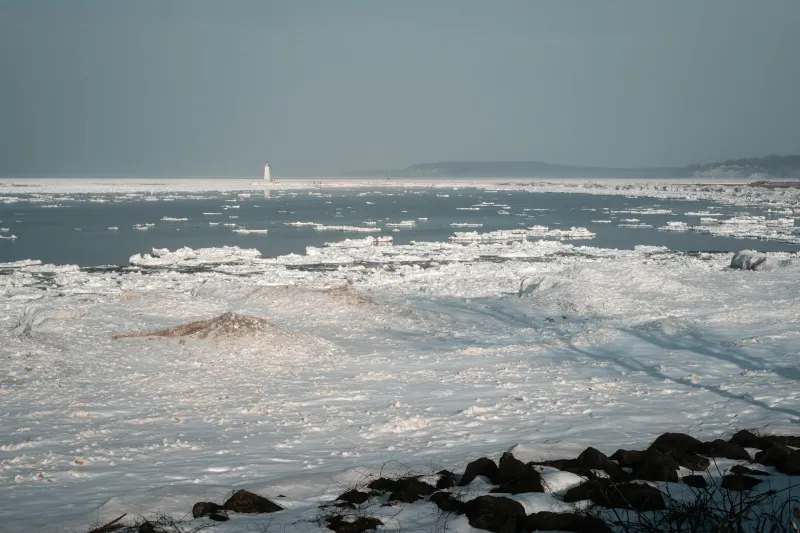
The Forgotten Army That Fed America's Ice Age
Every winter from 1850 to 1920, thousands of men descended on the frozen lakes of New England, armed with saws, tongs, and an ironclad work schedule that seemed designed to kill them. These ice harvesters supplied the blocks that kept America's food fresh before electric refrigeration — and they developed the most sophisticated immune-boosting protocol in industrial history.
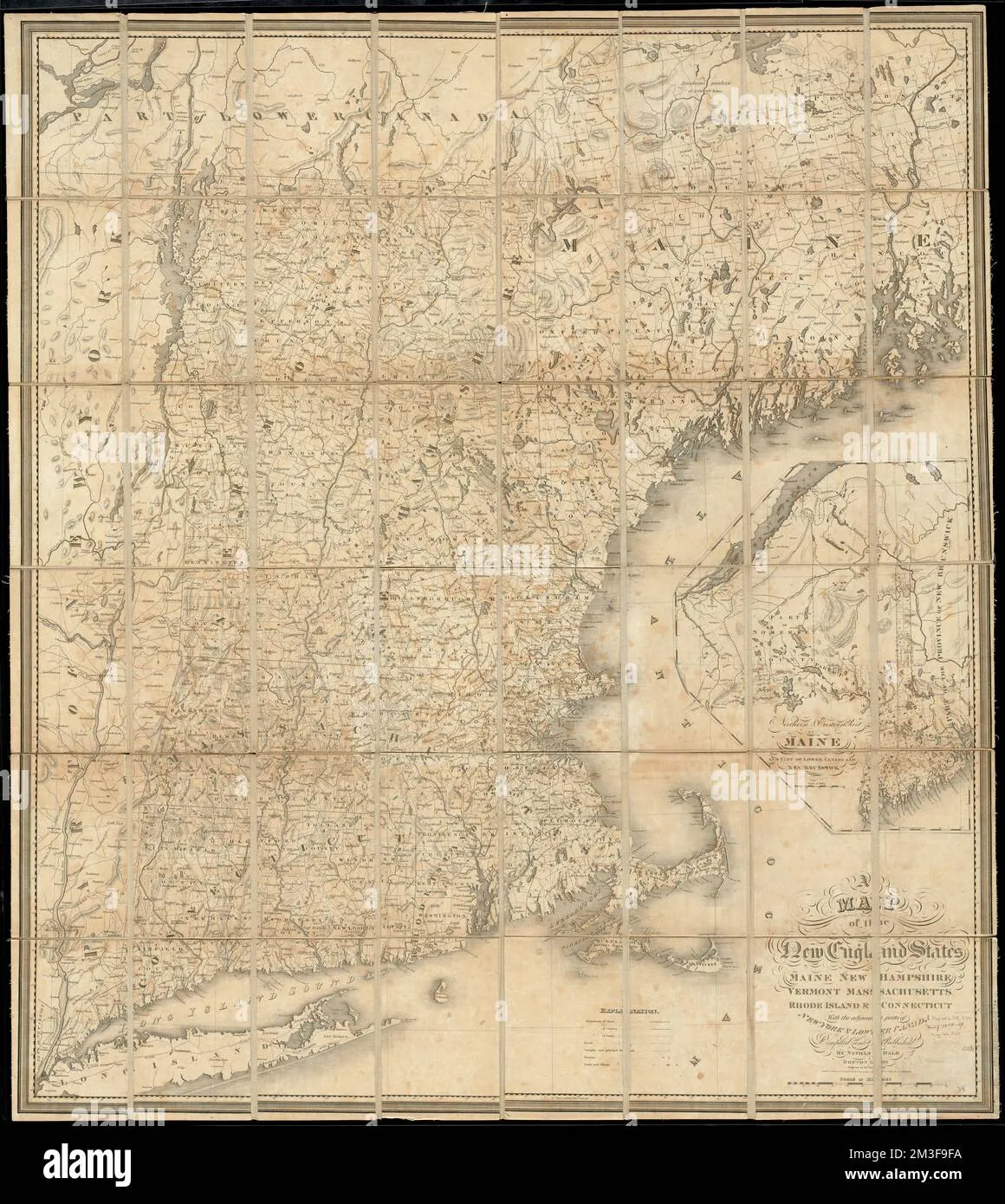 Photo: New England, via c8.alamy.com
Nobody called it biohacking. The foremen who enforced these routines thought they were just keeping workers healthy enough to survive brutal 12-hour shifts in sub-zero conditions. But the detailed logbooks they left behind read like a manual for optimizing human immune function that modern science is only beginning to understand.
The Protocol That Looked Like Torture
The ice harvesting routine started before dawn and followed rules that seemed almost sadistic. Workers began each day with what company records called "the awakening" — a mandatory 10-minute exposure to outdoor air while wearing only undergarments, regardless of temperature.
This wasn't hazing; it was systematic cold adaptation that foremen had discovered kept crews healthier throughout the season. Workers who skipped "the awakening" got sick more often and couldn't maintain the pace required for efficient ice cutting.
After this initial cold shock, crews moved into heated changing areas for exactly 15 minutes — no more, no less. Then back outside for the day's work, which involved standing on frozen lakes in temperatures that regularly dropped below zero.
The Fermented Fuel That Powered Frozen Men
What these workers ate was as carefully regulated as their cold exposure. Company commissaries served meals that modern nutritionists would recognize as a masterclass in immune-supporting nutrition — though the ice bosses thought they were just providing cheap, filling food.
Breakfast was always fermented oatmeal porridge, prepared by soaking oats in whey for 48 hours before cooking. This wasn't about flavor; foremen had noticed that crews eating this "sour mash" stayed healthier than those eating regular oatmeal.
Lunch meant sauerkraut, fermented fish, and sourdough bread — foods that seemed practical for outdoor work but were actually delivering massive doses of beneficial bacteria that supported gut health and immune function.
Most remarkably, workers drank what they called "fire cider" — a fermented mixture of apple cider vinegar, garlic, ginger, and horseradish that was consumed hot, multiple times throughout the day. Company records show this drink was mandatory, not optional, and crews that ran out of ingredients had to halt work until more could be obtained.
The Heat Cycling That Saved Lives
Perhaps the most sophisticated element of the ice harvester protocol was their approach to warming up. Workers didn't just seek warmth randomly; they followed a precise schedule of heat exposure that unknowingly optimized their bodies' stress response systems.
Every two hours, crews would rotate into heated warming huts for exactly 20 minutes. These weren't casual breaks — they were timed intervals where workers would sit close to wood stoves, deliberately raising their core body temperature before returning to the cold.
Evening routines were even more elaborate. After the day's work, crews would spend 30 minutes in communal saunas built from repurposed ice storage buildings. The heat was intense — hot enough that company medics recorded it as a health intervention, not just comfort.
This was followed by what workers called "the plunge" — a quick dip in the same icy water they'd been working over all day, then immediately back to heated bunkhouses for the night.
The Social Medicine Nobody Recognized
Ice harvesting crews lived in close quarters that should have been breeding grounds for illness. Instead, company records show remarkably low rates of respiratory infections, digestive problems, and the other diseases that plagued industrial workers of the era.
Part of this was their synchronized daily routine. Entire crews followed the same schedule of cold exposure, heat cycling, and meal timing, creating what modern researchers would recognize as a community-wide circadian rhythm that supported immune function.
But there was something else: the social bonding that happened during shared adversity. Workers developed tight-knit crews that functioned almost like extended families, sharing resources, supporting sick colleagues, and maintaining morale through brutal conditions.
Modern research on social connections and immune function suggests this community structure was as important as the physical protocols for maintaining health.
The Science They Stumbled Onto
What ice harvesters accidentally discovered aligns almost perfectly with cutting-edge research on immune optimization. Their cold exposure protocols match what scientists now call "cold thermogenesis" — controlled cold stress that activates brown fat, improves circulation, and strengthens immune response.
The fermented foods they consumed delivered exactly the kinds of beneficial bacteria that modern research links to improved immune function. Their timing of these foods throughout the day created optimal conditions for gut health and the gut-immune connection.
Most remarkably, their heat cycling routine — alternating between extreme cold and intense heat — mimics what researchers now call "hormetic stress" — controlled challenges that make biological systems stronger and more resilient.
When Progress Killed Perfection
As electric refrigeration replaced ice harvesting, this sophisticated wellness protocol vanished almost overnight. The last major ice harvesting operations ended in the 1920s, and with them disappeared decades of accumulated wisdom about thriving in harsh conditions.
Modern workers in cold environments — from construction crews to ski resort employees — follow safety protocols designed to minimize cold exposure, not optimize it. The idea that controlled cold stress could be beneficial was lost along with the industry that discovered it.
The Revival That's Hiding in Plain Sight
Today, elements of the ice harvester protocol are reappearing in expensive wellness programs and biohacking communities. Cold plunge therapy, sauna cycling, and fermented food diets are marketed as cutting-edge health interventions.
But few people realize these techniques were perfected over 100 years ago by working-class Americans who simply needed to stay healthy enough to do their jobs. The ice harvesters weren't trying to optimize their immune systems — they were trying to survive winter. That their survival strategies turned out to be sophisticated medicine was an accident that modern science is still catching up to.
Wim Hof gets credit for popularizing cold exposure therapy. Scandinavian countries are praised for their sauna culture. Fermented foods are hailed as the latest superfood trend.
 Photo: Wim Hof, via static.wixstatic.com
Meanwhile, the detailed logbooks of American ice foremen — containing perhaps the most comprehensive immune-boosting protocol ever accidentally developed — gather dust in historical societies across New England.
The Blueprint That Still Works
The ice harvester protocol wasn't just about individual practices; it was about creating an entire lifestyle that supported human resilience. Cold exposure, heat cycling, fermented nutrition, synchronized community rhythms, and strong social bonds working together to create what modern immunologists would recognize as optimal conditions for immune function.
These weren't privileged people with access to expensive wellness programs. They were workers doing dangerous, physically demanding jobs in brutal conditions. Yet they accidentally developed a health protocol that modern science suggests is nearly perfect for human immune optimization.
As we face new health challenges and search for ways to strengthen our immune systems, perhaps it's time to look back at the forgotten wisdom of America's ice workers. Sometimes the most sophisticated solutions are hiding in the most unlikely places — in the daily routines of people who simply figured out what worked and stuck with it.
The ice may be long gone, but the blueprint for bulletproof immunity is still there, waiting in the margins of industrial history.