The Village Where Kids Never Wheezed
In 1952, Dr. Margaret Holloway made a discovery that should have changed pediatric medicine forever. During a routine health survey in the remote village of Cielo Alto, New Mexico, she found something that defied everything she'd learned in medical school: not a single child under 12 had respiratory problems.
 Photo: Dr. Margaret Holloway, via happyhollowca.com
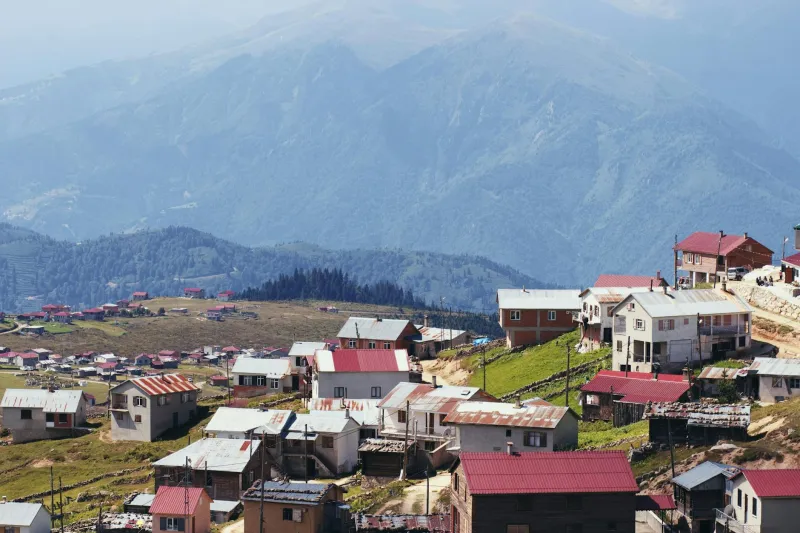
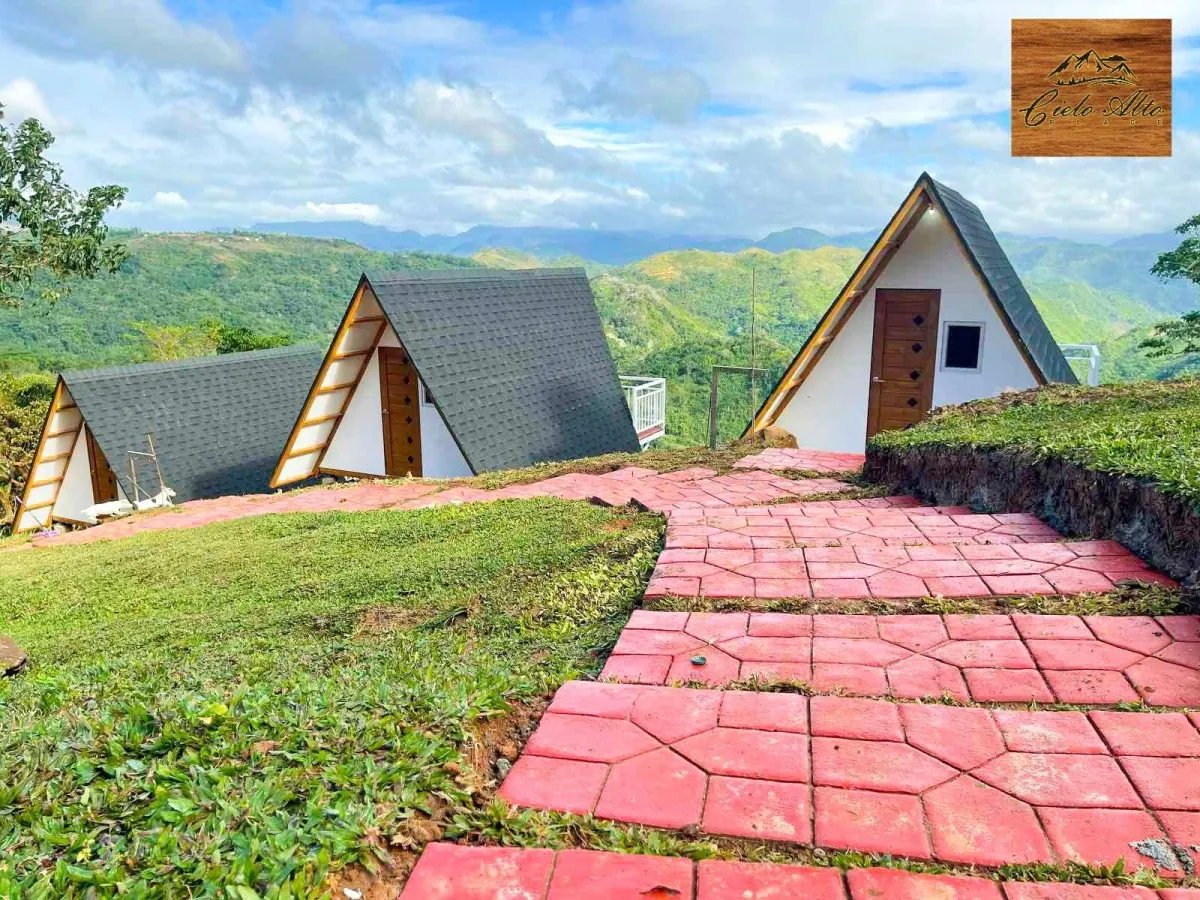 Photo: Cielo Alto, New Mexico, via staycations.ph
Not asthma. Not chronic cough. Not even the seasonal breathing issues that plagued children across the Southwest. In a community of 300 people, nestled at 7,200 feet elevation, childhood respiratory illness had essentially ceased to exist.
Dr. Holloway spent three weeks documenting her findings, convinced she'd stumbled onto a medical miracle. Her detailed notes gathered dust in a university archive for nearly 50 years.
The Mystery That Medicine Forgot
Cielo Alto wasn't unique because of what it had — it was remarkable because of what it didn't. No air conditioning. No modern conveniences. No access to the latest medications. Yet children who moved there from cities like Albuquerque saw their breathing problems disappear within months.
Local families had their own explanations, passed down through generations of Hispanic and Pueblo families who'd settled the area. They credited the mountain air, their traditional foods, and what they called "agua sagrada" — the sacred water from their community well.
Visiting doctors dismissed these explanations as folk medicine. The few medical professionals who made the difficult journey to Cielo Alto wrote brief reports noting the "unusual absence of respiratory illness" but never investigated further. The phenomenon was filed away as an interesting anomaly, nothing more.
The Accidental Laboratory
What nobody realized was that Cielo Alto had become an accidental laboratory for treating childhood respiratory problems. Three factors that seemed unrelated were working together in ways that wouldn't be understood until the 1990s.
First, the elevation. At 7,200 feet, the air pressure was roughly 25% lower than at sea level. Children's lungs had to work harder, but not in a stressful way — more like a gentle, constant exercise that strengthened respiratory muscles over time.
Second, the water. Cielo Alto's well drew from an underground spring that passed through mineral-rich rock formations, creating water with unusually high levels of magnesium and selenium — minerals that modern research links to improved lung function and reduced inflammation.
Third, and perhaps most important, was the food preparation method that local families had used for generations.
The Fermentation Secret Nobody Wrote Down
Cielo Alto's families prepared most of their food using fermentation techniques inherited from both Hispanic and indigenous traditions. Beans were soaked and fermented for days before cooking. Corn was processed through a complex fermentation that created what modern nutritionists would recognize as a powerhouse of beneficial bacteria.
Most remarkably, they fermented their chile peppers — not just for preservation, but because, as one elderly resident told Dr. Holloway, "the old ones make the breathing easier."
This wasn't just cultural tradition; it was accidentally sophisticated medicine. The fermentation process created specific strains of lactobacilli that modern research shows can dramatically improve respiratory health by strengthening the gut-lung connection — a biological pathway that wasn't even discovered until the 2000s.
The Discovery That Almost Didn't Happen
In 2003, Dr. James Martinez, a pulmonologist researching childhood asthma, stumbled across Dr. Holloway's forgotten reports while researching historical health data. Intrigued, he made the journey to Cielo Alto — and found that the phenomenon was still happening.
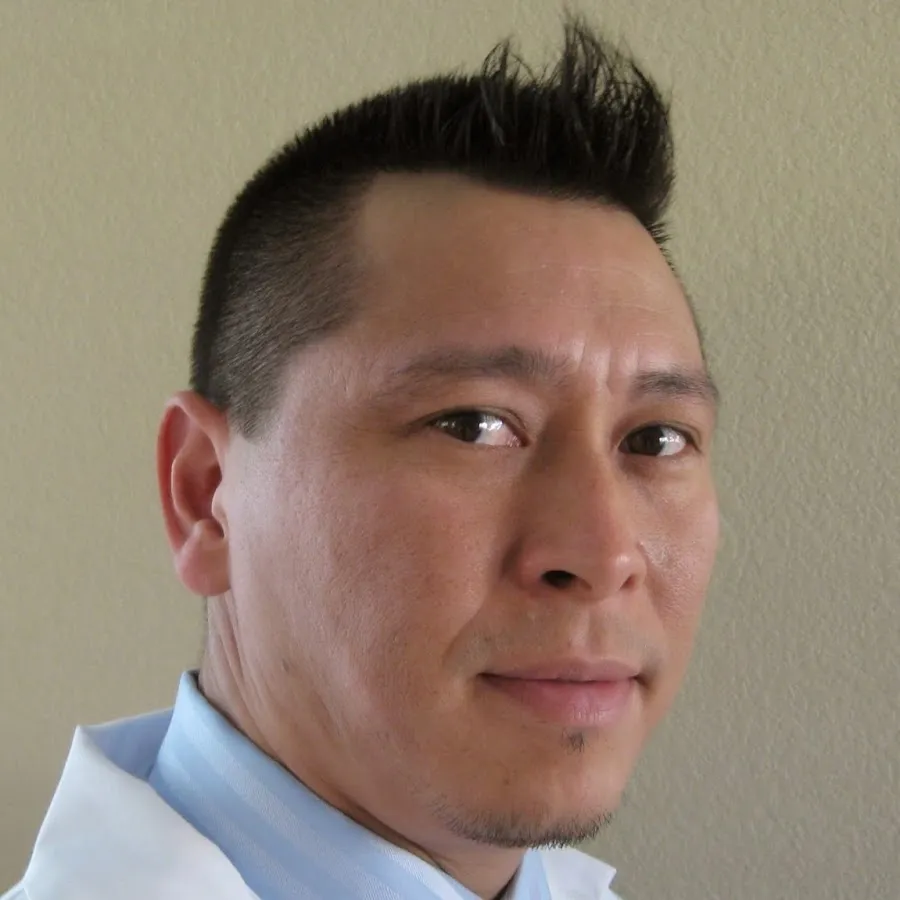 Photo: Dr. James Martinez, via yt3.googleusercontent.com
Children in the village continued to show remarkably low rates of respiratory problems. Families who'd moved away and returned often reported that their children's breathing issues improved dramatically within months of coming back.
Dr. Martinez began the first systematic study of Cielo Alto's "respiratory miracle." What he found challenged fundamental assumptions about treating childhood breathing problems.
The Science Behind the Miracle
Modern analysis revealed that Cielo Alto's children had gut microbiomes unlike anything researchers had seen. The combination of mineral-rich water and fermented foods had created bacterial communities that were extraordinarily effective at reducing systemic inflammation — particularly in the respiratory system.
The elevation played a crucial role too. The reduced air pressure created what exercise physiologists call "adaptive stress" — just enough challenge to strengthen respiratory muscles without triggering the inflammatory responses associated with more extreme altitudes.
Perhaps most surprising was the role of the fermented chile peppers. The specific fermentation process used in Cielo Alto created compounds that act as natural bronchodilators — substances that open airways and improve breathing. The families weren't just preserving food; they were creating medicine.
Why Nobody Paid Attention
Dr. Martinez's research was published in a specialized journal in 2005, but it barely registered in mainstream medicine. The findings were too complex, too dependent on multiple environmental factors, and too different from standard pharmaceutical approaches to gain traction.
Meanwhile, Cielo Alto itself was changing. Younger families were moving to cities for work. Traditional food preparation methods were being abandoned for convenience foods. The community well was supplemented with municipal water systems.
By 2010, the respiratory miracle was fading. Children in Cielo Alto began showing breathing problems at rates similar to other rural communities.
The Lesson We Almost Missed
Cielo Alto's story reveals how easily medical breakthroughs can be lost when they don't fit established patterns. For decades, a small community accidentally demonstrated that childhood respiratory problems could be virtually eliminated through environmental and dietary factors.
The solution wasn't a single intervention — it was a complex interaction of elevation, mineral-rich water, and fermented foods that created optimal conditions for respiratory health. It was the kind of holistic approach that modern medicine struggles to study, validate, and implement.
Today, as childhood asthma rates continue to rise across the United States, perhaps it's time to look back at the small mountain village that solved a problem we're still fighting. Sometimes the most profound medical discoveries happen not in laboratories, but in communities where people simply pay attention to what works.
The children of Cielo Alto breathed freely not because of advanced medicine, but because their families accidentally created the perfect environment for healthy lungs to thrive. Their secret wasn't written in medical journals — it was lived, day by day, in the rhythms of a community that understood health as something larger than individual treatment.
The question isn't whether we can recreate Cielo Alto's miracle. The question is whether we're willing to learn from it.