Victorian Doctors Sent Patients to the Beach to Heal. Turns Out, They Weren't Wrong.
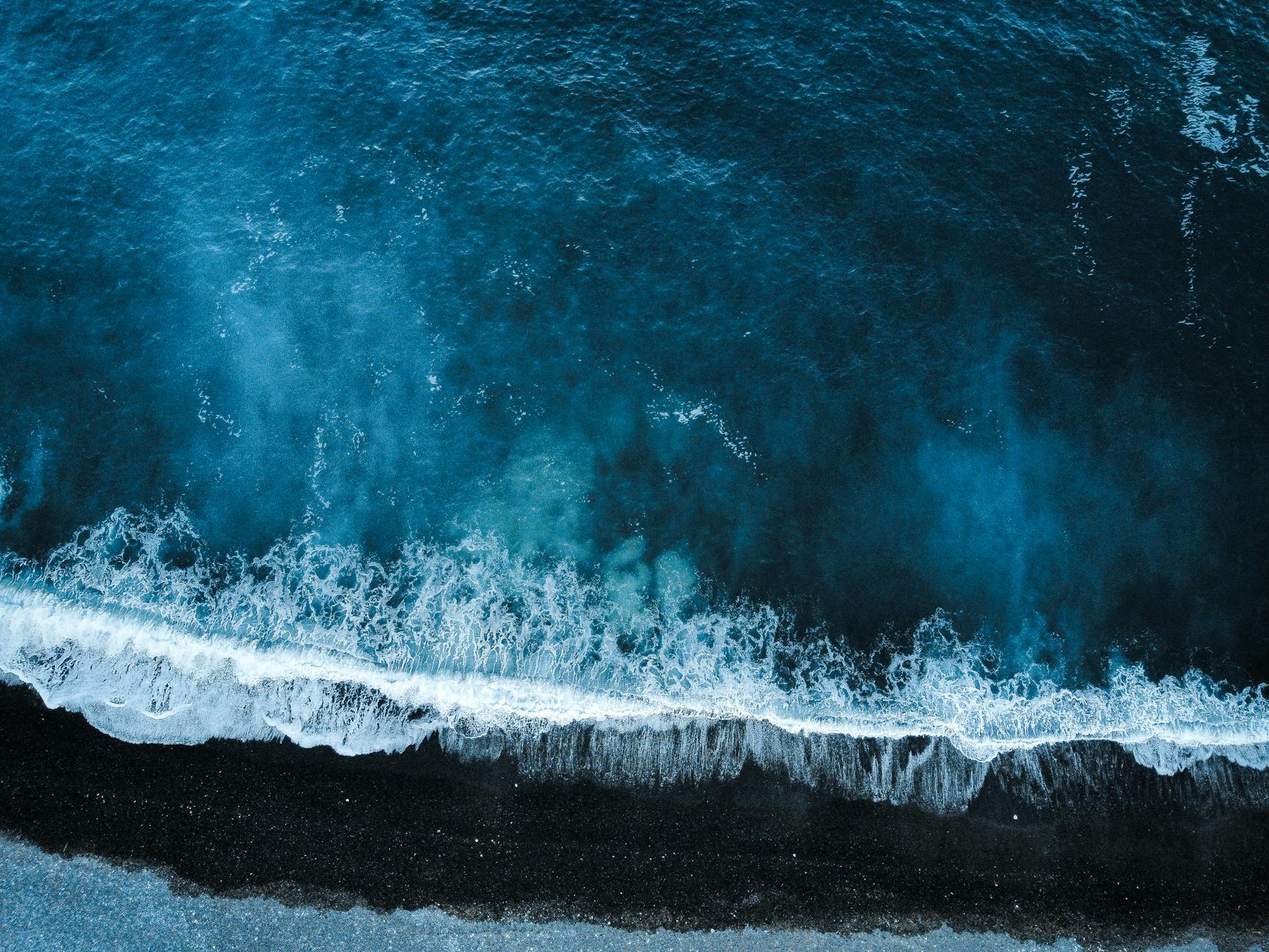
Victorian Doctors Sent Patients to the Beach to Heal. Turns Out, They Weren't Wrong.
Picture a Victorian physician, all waistcoat and whiskers, solemnly prescribing a seaside holiday to a patient with a persistent cough or frayed nerves. For most of the last century, that image has been shorthand for the well-meaning ignorance of pre-modern medicine — somewhere between bloodletting and magnetic therapy on the quackery spectrum.
But here's what's quietly happening in research labs and environmental psychology departments across the US and Europe: scientists are building a surprisingly solid case that coastal air actually does something measurable to the human body and brain. Not in the vague, handwavy way of wellness influencers, but in specific, testable, replicable ways that would have satisfied even a skeptical 21st-century clinician.
The Victorians didn't know why the sea air helped. They just noticed that it often did. Turns out, that gap between intuition and explanation is exactly where some of the most interesting science lives.
The Prescription That Built Entire Towns
From roughly the 1750s through the early 1900s, "sea air therapy" wasn't a fringe idea — it was mainstream British and American medicine. Physicians sent patients with tuberculosis, respiratory illness, nervous exhaustion, and a catch-all Victorian diagnosis called "neurasthenia" to coastal resorts as a matter of standard practice.
This wasn't just theoretical. The demand for seaside treatment quite literally shaped the American coastline. Towns like Cape May in New Jersey, Bar Harbor in Maine, and Newport in Rhode Island grew into major destinations partly because wealthy families were following their doctors' orders. Coastal sanatoriums dotted the Atlantic shore.
When antibiotics and germ theory arrived in the 20th century, this entire tradition got quietly shelved. The mechanism had never been explained, so when better explanations came along, the whole practice got lumped in with the superstitions medicine was leaving behind.
What Modern Research Is Actually Finding
Three distinct lines of research are now converging in ways that would have surprised the scientists who dismissed sea-air therapy decades ago.
Negative ions and respiratory function. Coastal air — particularly near breaking waves — is measurably rich in negative ions, electrically charged particles generated when water molecules are disrupted. Research published over the past two decades has found that elevated negative ion concentrations are associated with reduced airborne particulate matter, improved serotonin regulation, and in some studies, measurable improvements in respiratory function. A 2013 review in the Journal of Alternative and Complementary Medicine found consistent evidence linking negative ion exposure to mood improvement. It's not magic. It's physics and biochemistry.
The coastal microbiome. This one is newer and genuinely fascinating. Researchers studying what's called the "aerosol microbiome" of coastal environments have found that sea spray carries a remarkably diverse mix of marine microorganisms — bacteria, algae fragments, and other biological material that gets inhaled by anyone spending time near the ocean. The implications for immune regulation are still being studied, but early findings suggest that this microbial diversity may interact with the human immune system in ways that are distinct from inland environments. The hygiene hypothesis — the idea that modern over-sanitized environments contribute to rising rates of autoimmune and allergic conditions — gives this line of research an interesting context.
Blue space psychology. Perhaps the most extensively documented of the three is the emerging field studying what researchers call "blue space" — environments near water. A landmark study from the University of Exeter published in Health & Place analyzed health data from 48 million people across England and found that coastal communities showed consistently better mental health outcomes than comparable inland populations, even after controlling for income, age, and other variables. Separate research has found that time near water reliably reduces cortisol levels, lowers heart rate, and activates what some neuroscientists describe as a "soft fascination" state — a form of effortless, restorative attention that contrasts with the directed, effortful focus that drives mental fatigue.
Why This Was Dismissed for So Long
The story of sea-air therapy's dismissal is a useful reminder of how medicine sometimes throws out genuine observations along with the faulty explanations attached to them. Victorian doctors couldn't explain why coastal environments seemed to help patients. Their theories — about miasmas, about the "tonic" quality of salt air, about the moral benefits of removing patients from urban stress — were wrong or incomplete.
But the underlying observation — that people often felt and functioned better near the coast — wasn't wrong. It was just ahead of the tools needed to explain it.
Practical Takeaways for Anyone Who Doesn't Live on the Beach
For most Americans, a permanent coastal relocation isn't on the table. But the research does suggest some genuinely practical angles.
Even short, regular exposure to coastal environments appears to produce measurable effects. Studies suggest that visits of as little as two hours near water show detectable changes in stress biomarkers. If you live within driving distance of a coastline — and a significant portion of the US population does — even occasional trips may carry more benefit than a simple "nice day out."
For those landlocked, the blue space research extends to rivers, lakes, and even urban water features, though with somewhat weaker effect sizes than open coastal environments.
And for the skeptics: the next time someone describes a beach trip as "good for your health," it might be worth resisting the urge to roll your eyes. The Victorian doctors said the same thing. They just didn't have the data yet.