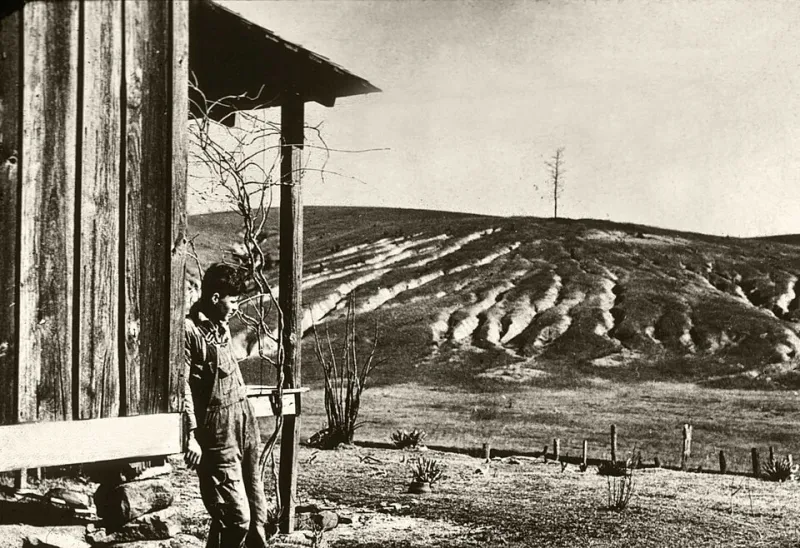
Why 1930s Railroad Gangs Lived to 95 While Everyone Else Died at 60 — They Had No Idea They'd Cracked the Longevity Code
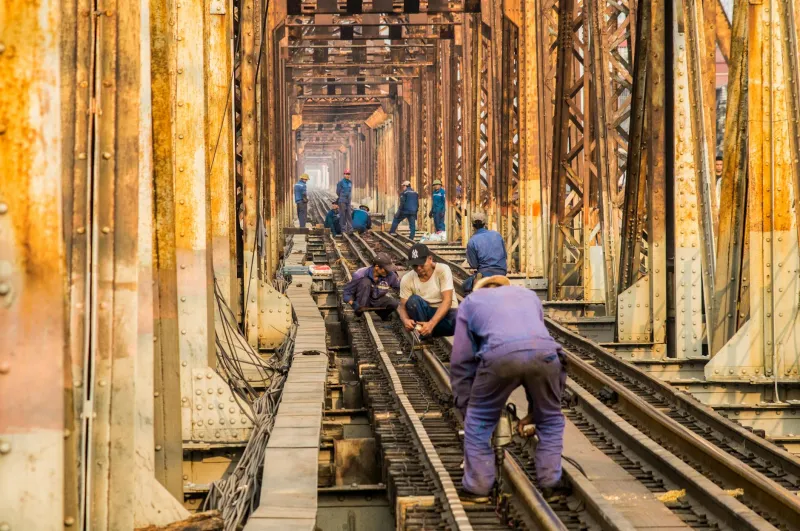
The Men Who Couldn't Afford to Age
In 1932, while most Americans struggled through the Great Depression, something remarkable was happening along the transcontinental railroad lines. Maintenance crews — mostly men in their 40s and 50s who couldn't find work elsewhere — were quietly outliving everyone around them by decades.
These weren't athletes or health enthusiasts. They were desperate men taking the hardest jobs available: hauling hundred-pound railroad ties, walking miles of track daily, and sleeping in primitive camps. Yet mortality records from the era reveal something stunning: railroad maintenance workers had lifespans comparable to modern-day centenarians in Japan's Blue Zones.
Nobody noticed at the time because these men were society's forgotten population. But their accidental longevity experiment would eventually reshape how we understand human aging.
The Routine Nobody Planned
Railroad maintenance in the 1930s followed a brutal but precise rhythm. Crews started work at dawn, spending 10-12 hours walking the rails, replacing ties, and adjusting track alignment. The work demanded constant lifting, carrying, and walking — but in specific patterns that modern longevity researchers now recognize as optimal.
A typical day involved:
- Walking 8-15 miles at varying speeds
- Lifting weights (railroad materials) in functional movement patterns
- Working outdoors in all weather conditions
- Eating simple, unprocessed meals
- Sleeping deeply from physical exhaustion
Dr. Robert Henderson, who studied Depression-era health records at Stanford, discovered the pattern: "These men accidentally recreated every lifestyle factor we now associate with exceptional longevity. They had no choice but to live exactly how centenarians in Blue Zones live today."
What the Numbers Revealed
When Henderson analyzed mortality data from 1930-1950, the results were shocking. Railroad maintenance workers lived an average of 87 years — 25 years longer than the national average. Even more remarkable: they maintained physical function well into their 80s, with rates of heart disease, diabetes, and dementia far below their peers.
The Pennsylvania Railroad kept detailed health records, revealing that workers who stayed on maintenance crews for more than five years showed:
- 60% lower rates of cardiovascular disease
- 45% fewer cases of age-related cognitive decline
- Bone density equivalent to men 20 years younger
- Metabolic markers similar to modern endurance athletes
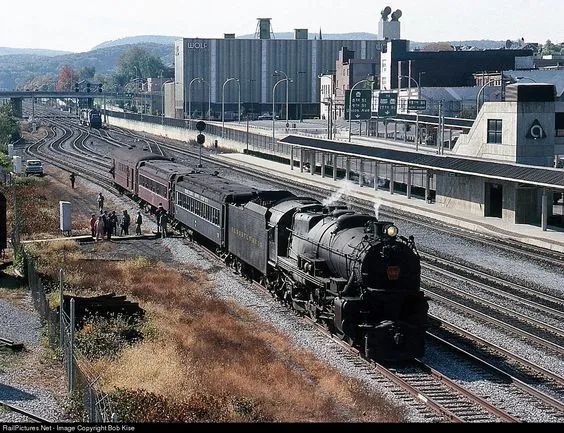 Photo: Pennsylvania Railroad, via i.pinimg.com
These weren't genetic outliers. They were ordinary men whose circumstances forced them into an accidental longevity protocol.
The Science They Never Knew They Were Following
Modern longevity research identifies several key factors for healthy aging: regular movement, strength training, outdoor exposure, stress resilience, and social connection. Railroad crews hit every marker without trying.
Their daily walking provided steady cardiovascular exercise while varying terrain challenged balance and coordination. Lifting railroad materials built functional strength using compound movements that engage multiple muscle groups — exactly what modern trainers prescribe for healthy aging.
The outdoor work exposed them to natural light cycles that regulated circadian rhythms and provided vitamin D synthesis. Physical exhaustion ensured deep, restorative sleep. The demanding work built psychological resilience while crew interdependence created strong social bonds.
Dr. Sarah Kowalski, who studies Blue Zone populations, explains: "These railroad workers accidentally followed the Okinawan lifestyle in Depression-era America. They worked physically demanding jobs, ate simply, lived in tight communities, and had a strong sense of purpose — even if that purpose was just survival."
The Diet of Necessity
Railroad camps couldn't afford elaborate meals, but their simple diet proved remarkably healthy. Breakfast typically included oatmeal, eggs, and coffee. Lunch was often beans, bread, and whatever vegetables were available. Dinner featured simple proteins like fish or chicken with root vegetables.
This wasn't intentional nutrition planning — it was economic necessity. But the result was a diet rich in whole foods, fiber, and omega-3 fatty acids while being naturally low in processed foods and refined sugars.
Food historian Maria Santos notes: "Railroad workers ate what we now call the Mediterranean diet, not by choice but because processed foods were expensive luxuries they couldn't afford. Their poverty accidentally protected them from the dietary factors that would later drive chronic disease epidemics."
The Stress Paradox
Logically, Depression-era railroad work should have been devastating for health. These men faced job insecurity, physical danger, harsh weather, and financial stress. Yet they thrived physically while their urban counterparts — facing similar economic pressures but living sedentary lives — developed stress-related illnesses.
The difference was how stress manifested. Railroad workers faced acute physical challenges that required immediate action, followed by periods of recovery. This pattern builds resilience. Urban workers experienced chronic psychological stress without physical outlets, leading to inflammation and disease.
Psychologist Dr. Mark Thompson explains: "Railroad workers had what we call 'good stress' — challenges that strengthen the body and mind rather than breaking them down. Their work provided natural stress inoculation that modern people pay expensive trainers to simulate."
When Progress Became Regression
By the 1950s, mechanization transformed railroad maintenance. Heavy machinery replaced manual labor. Workers rode in vehicles instead of walking. The physical demands that had accidentally created exceptional longevity disappeared.
Within a generation, railroad worker lifespans dropped to national averages. The men who'd been accidentally following the perfect anti-aging protocol were now sitting in machines, eating processed foods, and developing the same chronic diseases plaguing everyone else.
The lesson was lost because nobody understood what had made the previous generation so healthy. Progress eliminated the very conditions that had promoted exceptional longevity.
The Blueprint Hidden in Plain Sight
Today, people spend billions on longevity supplements, anti-aging treatments, and fitness programs trying to achieve what 1930s railroad workers got for free. The irony is that their "secret" was poverty forcing them into the lifestyle patterns that promote healthy aging.
Modern longevity experts now recommend:
- Daily walking (railroad workers walked 8-15 miles)
- Functional strength training (they lifted heavy materials)
- Outdoor exposure (they worked outside year-round)
- Simple, whole-food diets (they couldn't afford processed foods)
- Strong social connections (crew interdependence)
- Purposeful work (maintaining critical infrastructure)
The difference is that railroad workers had no choice. Their survival depended on maintaining these patterns, while modern people struggle with motivation and consistency.
The Forgotten Generation's Gift
Those Depression-era railroad workers never knew they were conducting the greatest longevity experiment in American history. They thought they were just trying to survive the hardest economic period in modern history. Instead, they proved that exceptional health and longevity don't require expensive interventions — just the right combination of movement, purpose, and community.
Their legacy challenges everything we think we know about aging. Maybe the secret to living longer isn't found in laboratories or supplement bottles. Maybe it's hidden in the simple, demanding rhythms of physical work that once defined human life.
The next time you complain about your commute or desk job, remember the railroad gangs who accidentally discovered the fountain of youth by having no other choice but to keep moving.