The Backyard Weed That Beat Opioids in Appalachian Hollers — Your Lawn Mower Destroys It Every Saturday
The Plant Your Neighbors Curse Every Spring
Walk through any American suburb on a Saturday morning, and you'll witness a ritual of mass destruction. Homeowners armed with mowers, weed killers, and hand tools wage war against a humble plant that Appalachian healers once called "nature's aspirin." They're talking about plantain — not the banana-like fruit, but the broad-leafed weed that pushes up through sidewalk cracks and thrives in compacted soil.
While modern America sees plantain as a lawn invader, mountain folk in Kentucky, Tennessee, and West Virginia built an entire pain management system around it. They called it "white man's footprint" because it seemed to follow European settlers everywhere, but indigenous peoples had been using it long before colonists arrived.
What Depression-Era Doctors Couldn't Explain
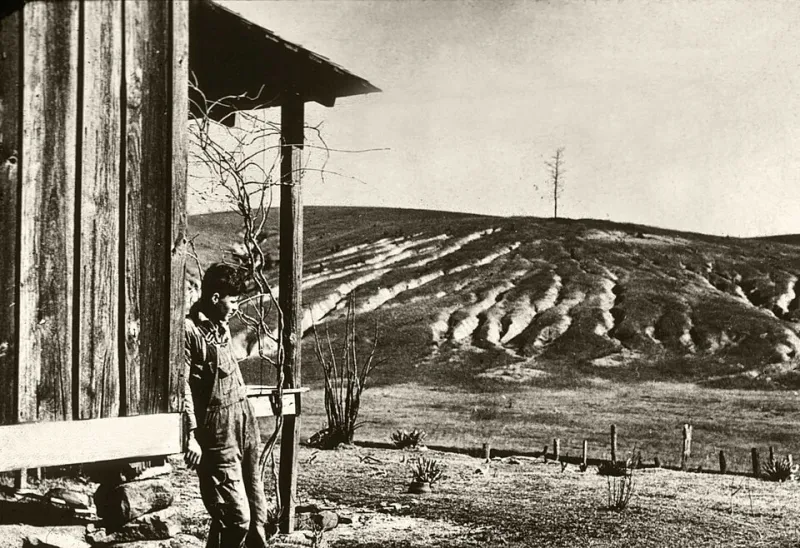
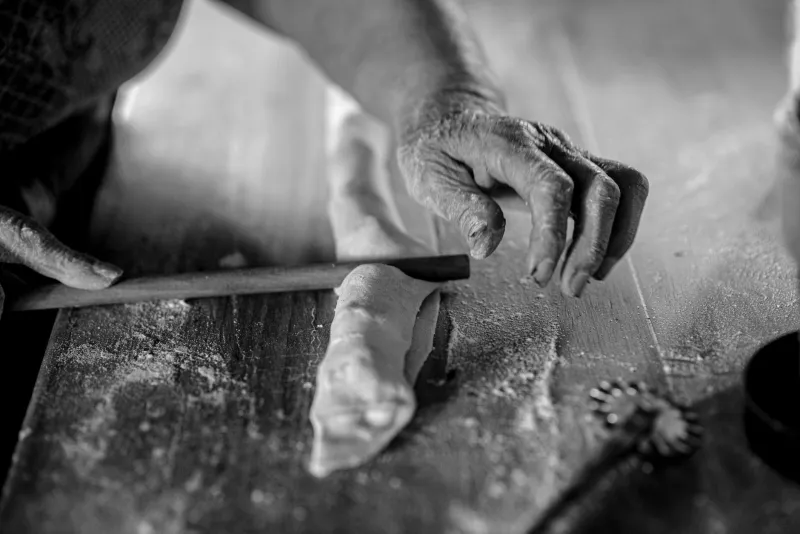
During the 1930s, when rural families couldn't afford doctors, Appalachian root doctors treated everything from infected wounds to arthritis with plantain poultices and teas. City physicians who ventured into the mountains dismissed these practices as superstition — until they started noticing something strange.
Patients who used traditional plantain remedies recovered from injuries faster than expected. Chronic pain sufferers found relief without the side effects plaguing urban patients taking early pharmaceutical painkillers. But without scientific backing, medical schools ignored these observations.
Dr. Sarah Mitchell, who documented folk remedies in rural Virginia during the 1940s, wrote: "The mountain people possess knowledge about pain relief that our textbooks cannot explain. They achieve results with weeds that our laboratories struggle to replicate with synthetic compounds."
The Chemistry Hidden in Plain Sight
Modern ethnobotanists now understand why Appalachian healers were onto something revolutionary. Plantain contains a cocktail of compounds that work together in ways pharmaceutical companies are still trying to decode.
The plant produces allantoin, which accelerates tissue repair and reduces inflammation. It also contains aucubin, a natural antibiotic that prevents wound infections. But here's where it gets interesting: plantain's polysaccharides create a gel-like substance when crushed that forms a protective barrier over damaged tissue while delivering active compounds directly to affected areas.
Dr. James Rodriguez, an ethnopharmacologist at the University of Georgia, explains: "Plantain essentially creates its own transdermal delivery system. Mountain healers were using biotechnology centuries before we had a name for it."
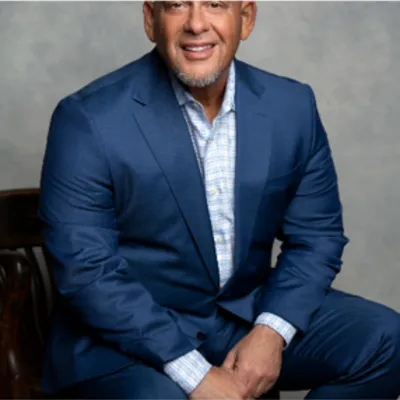 Photo: Dr. James Rodriguez, via sessionize.com
Why Big Pharma Can't Replicate the Results
Pharmaceutical companies have isolated individual compounds from plantain, but synthetic versions don't match the effectiveness of the whole plant. The reason lies in what scientists call the "entourage effect" — the way multiple plant compounds work synergistically to enhance each other's benefits.
Appalachian healers understood this intuitively. They never tried to isolate single compounds. Instead, they used the entire plant, often combining it with other local herbs to create what modern researchers recognize as sophisticated multi-compound therapies.
A 2019 study published in the Journal of Ethnopharmacology found that whole plantain extracts showed 40% greater anti-inflammatory activity than isolated compounds, validating what mountain folk knew through generations of trial and error.
The Knowledge That Nearly Vanished
By the 1950s, rural electrification and improved transportation brought modern medicine to Appalachian communities. Traditional healing practices were actively discouraged by doctors who viewed them as dangerous folk medicine. Many families stopped passing down herbal knowledge, considering it embarrassing or backward.
The irony is devastating. Just as pharmaceutical companies were developing addictive opioid painkillers that would eventually kill hundreds of thousands of Americans, mountain communities were abandoning a non-addictive pain relief system that had worked safely for centuries.
Mary Catherine Williams, whose grandmother was a renowned root doctor in eastern Kentucky, remembers: "Granny could cure a toothache with plantain tea and heal infected cuts with fresh leaves. When I told my doctor about it in the 1960s, he laughed. Now my grandson's medical school teaches about 'traditional plant medicine.'"
What Modern Research Reveals
Recent studies validate many traditional uses of plantain. A 2020 clinical trial found that plantain leaf extract reduced inflammatory markers by 35% in arthritis patients. Another study showed that plantain-based wound treatments healed cuts 25% faster than standard antiseptic treatments.
The plant's safety profile is remarkable. Unlike pharmaceutical painkillers, plantain has virtually no reported side effects when used topically or as a tea. It doesn't interact with medications or cause dependency.
Dr. Lisa Chen, who studies traditional Appalachian remedies at Duke University, notes: "We're essentially rediscovering medicine that was hiding in plain sight. The same plant that suburban homeowners spend millions trying to eliminate could revolutionize how we approach chronic pain management."
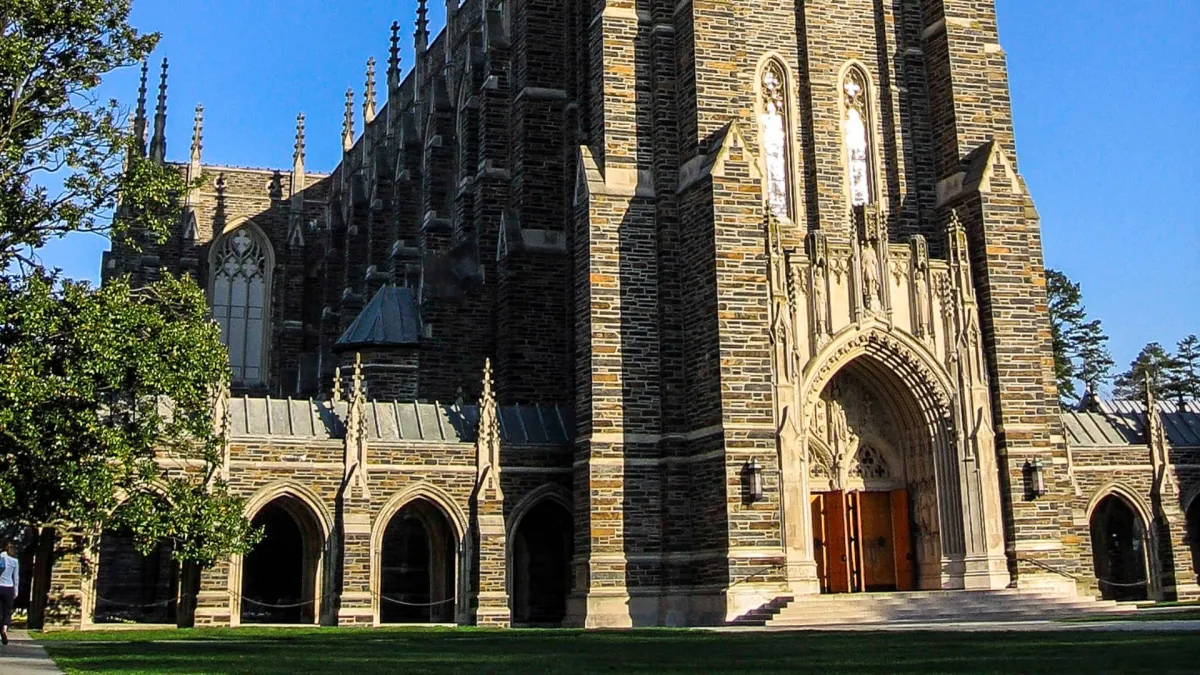 Photo: Duke University, via wallpapers.com
The Weekend Warrior's Dilemma
Next time you fire up the lawn mower, consider the irony. You might be destroying a natural pharmacy that could treat the back pain from all that yard work. Plantain grows everywhere because it's incredibly hardy and adaptive — the same qualities that make it medicinally valuable.
Appalachian healers knew something we're just beginning to relearn: sometimes the most powerful medicine grows where we least expect it. In a world struggling with an opioid crisis, maybe it's time to listen to the mountain folk who found pain relief in their own backyards.
The next time you see those broad, ribbed leaves pushing through your sidewalk, remember — you're looking at a plant that once held together entire communities' approach to healing. Your lawn mower might be more destructive than you realized.