Before Wellness Apps, 1950s Housewives Had the Ultimate Stress-Busting Schedule — Science Finally Caught Up
The Schedule That Saved Sanity
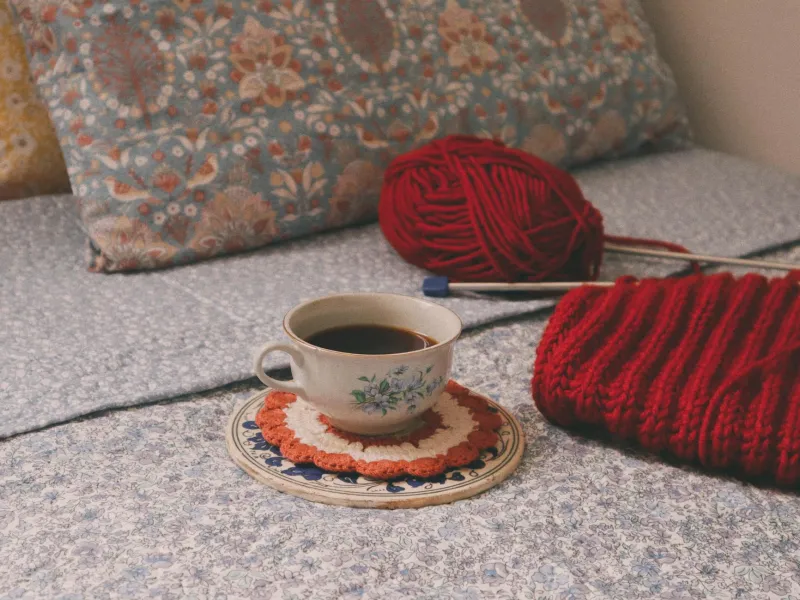
In 1952, Betty Morrison of Levittown, Pennsylvania, lived by a rhythm that would make today's productivity gurus weep with envy. Every day at 2 PM sharp, she'd stop whatever she was doing, brew a proper pot of tea, and spend exactly 20 minutes knitting while listening to her favorite radio program.
This wasn't laziness or old-fashioned charm. Betty and millions of housewives like her had accidentally stumbled onto what neuroscientists now call the perfect stress reset protocol — decades before anyone understood why it worked.
The Lost Art of Structured Downtime
Walk into any suburban home in 1955, and you'd find something that's virtually extinct today: predictable, guilt-free breaks built into the fabric of daily life. These weren't stolen moments scrolled on smartphones or rushed coffee runs between meetings.
They were deliberate, almost ceremonial pauses that followed a surprisingly sophisticated pattern:
Mid-morning pause: 15 minutes with coffee and maybe some mending Afternoon tea break: 20-30 minutes of "quiet activity" like knitting, crochet, or letter-writing Pre-dinner wind-down: Hand tasks like kneading bread or polishing silver Evening ritual: Reading or listening to radio programs while doing handwork
What these housewives didn't know is that they were perfectly timing what researchers now call "ultradian rhythms" — the 90-120 minute cycles your nervous system runs on throughout the day.
The Neuroscience Nobody Taught in Home Economics
Dr. Andrew Huberman, a neuroscientist at Stanford, has spent years studying how the brain recovers from stress. His research reveals something fascinating: the human nervous system needs specific types of breaks to reset properly, and the 1950s housewife routine hit every single marker.
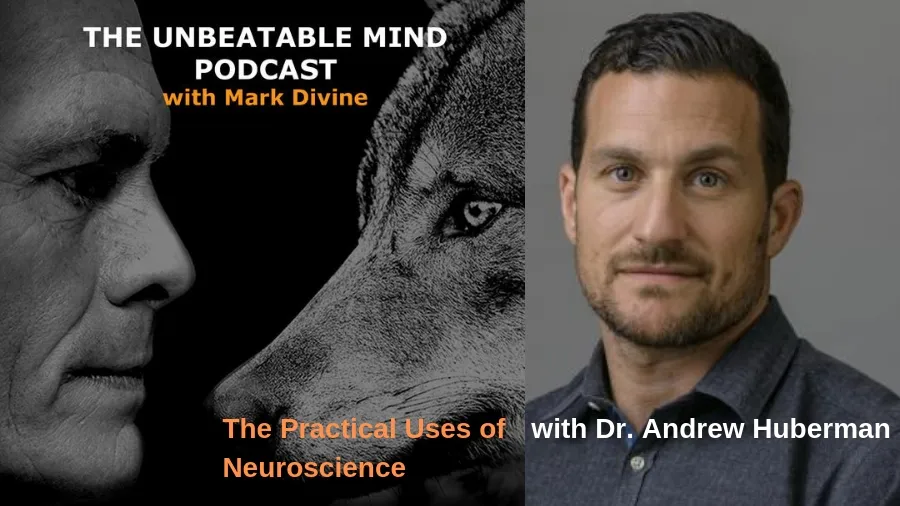 Photo: Dr. Andrew Huberman, via cdn1.neurohacker.com
"The combination of rhythmic hand movements, predictable timing, and low-cognitive-load activities creates what we call a 'parasympathetic shift,'" Huberman explains. "It's essentially a biological reset button that these women were pressing multiple times per day."
The knitting and crochet weren't just hobbies — they were inadvertent therapy. The bilateral, repetitive movements activate the same neural pathways that modern EMDR therapy uses to process stress and trauma. The predictable timing trained their nervous systems to anticipate recovery periods, preventing the chronic activation that leads to burnout.
Why Tea Time Wasn't Just About Tea
The afternoon tea ritual deserves special attention because it perfectly demonstrates how these women intuitively understood something that took science decades to prove: timing matters as much as activity.
Between 2-4 PM, your cortisol naturally dips, creating what chronobiologists call an "ultradian trough." This is when your attention spans shorten and stress accumulates most rapidly. Instead of pushing through with caffeine and willpower (the modern approach), 1950s housewives leaned into the dip.
They'd brew tea (mild caffeine with L-theanine for calm focus), sit in natural light near a window, and engage their hands in repetitive, creative work. Without knowing it, they were optimizing their circadian rhythms, processing daily stress, and preventing the afternoon crash that plagues modern workers.
The Handwork Revolution That Never Happened
Perhaps the most overlooked aspect of the 1950s routine was the emphasis on what researchers now call "bilateral stimulation through creative handwork." Knitting, crochet, bread kneading, and even ironing engaged both sides of the brain in coordinated, rhythmic patterns.
Dr. Cathy Malchiodi, who studies art therapy and neuroscience, has found that these activities create a unique brain state: "You're simultaneously activating your motor cortex, engaging your creative centers, and triggering the relaxation response. It's like meditation, exercise, and therapy rolled into one activity."
 Photo: Dr. Cathy Malchiodi, via lwfiles.mycourse.app
Modern stress management often focuses on stopping activity — meditation, breathing exercises, lying down. But these housewives discovered something different: the right kind of activity could be more restorative than rest.
What Productivity Culture Destroyed
The decline of this routine wasn't gradual — it was swift and deliberate. As women entered the workforce in larger numbers and efficiency became the cultural obsession, these "unproductive" breaks were the first casualties.
Office culture replaced structured personal rhythms with coffee breaks and lunch hours — communal interruptions that served the workplace schedule, not individual nervous systems. The rise of dual-career families eliminated the luxury of predictable downtime. And somewhere along the way, we convinced ourselves that constant productivity was not just possible, but virtuous.
The result? An epidemic of stress-related illness that costs the U.S. economy over $300 billion annually, while we desperately search for solutions in apps, supplements, and weekend retreats.
Bringing Back the Forgotten Protocol
You don't need to become a 1950s housewife to benefit from their accidental wisdom. The principles translate surprisingly well to modern life:
Honor your ultradian rhythms: Take a real break every 90-120 minutes, not when you feel like collapsing.
Make it bilateral: Choose activities that engage both hands and both sides of your brain — knitting, playing an instrument, even folding laundry mindfully.
Time it right: Schedule your longest break during your natural afternoon dip (usually 2-4 PM).
Make it predictable: Your nervous system craves routine. Same time, same ritual, same duration.
Defend it fiercely: These breaks aren't selfish indulgences — they're neurological necessities.
The Wisdom They Never Knew They Had
The 1950s housewives who built these routines weren't trying to hack their neurology or optimize their stress response. They were simply creating sustainable rhythms that allowed them to manage households, raise children, and maintain their sanity in an era before dishwashers, microwaves, or any of the conveniences we consider essential.
Their secret wasn't having less stress — it was having better recovery. They understood, perhaps intuitively, that human beings aren't machines designed for constant output. We're biological systems that need predictable cycles of engagement and restoration.
In our rush to modernize everything, we threw out one of the most effective stress management systems ever accidentally created. Maybe it's time to bring it back.