Before Therapy Had a Price Tag, Appalachian Nurses Built Something That Actually Worked

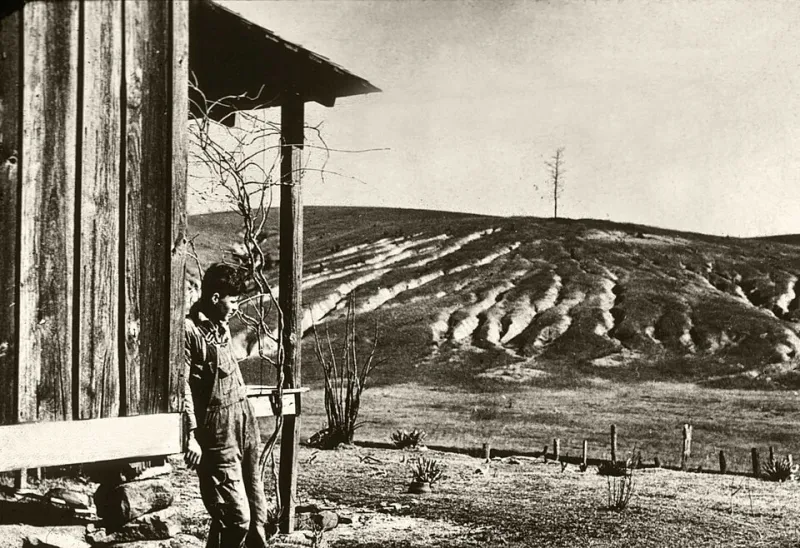
Somewhere in the mountains of eastern Kentucky in 1934, a public health nurse named Edna sat in a farmhouse kitchen with seven women she'd been visiting for months. None of them could afford a doctor. None of them had ever heard the word "therapist." But every single one of them was struggling — with grief, with poverty, with the particular kind of exhaustion that comes from watching a family slowly fall apart.
 Photo: eastern Kentucky, via d2fxn1d7fsdeeo.cloudfront.net
So Edna did the only thing she could think of. She pulled her chair into a circle and asked everyone to talk.
What happened next wasn't documented in any medical journal. It wasn't funded by a grant or studied by a university. But what those nurses quietly built across rural Appalachia during the Great Depression mirrors almost exactly what modern psychology now calls peer-led mental health support — one of the most effective and underused tools in the mental health toolkit.
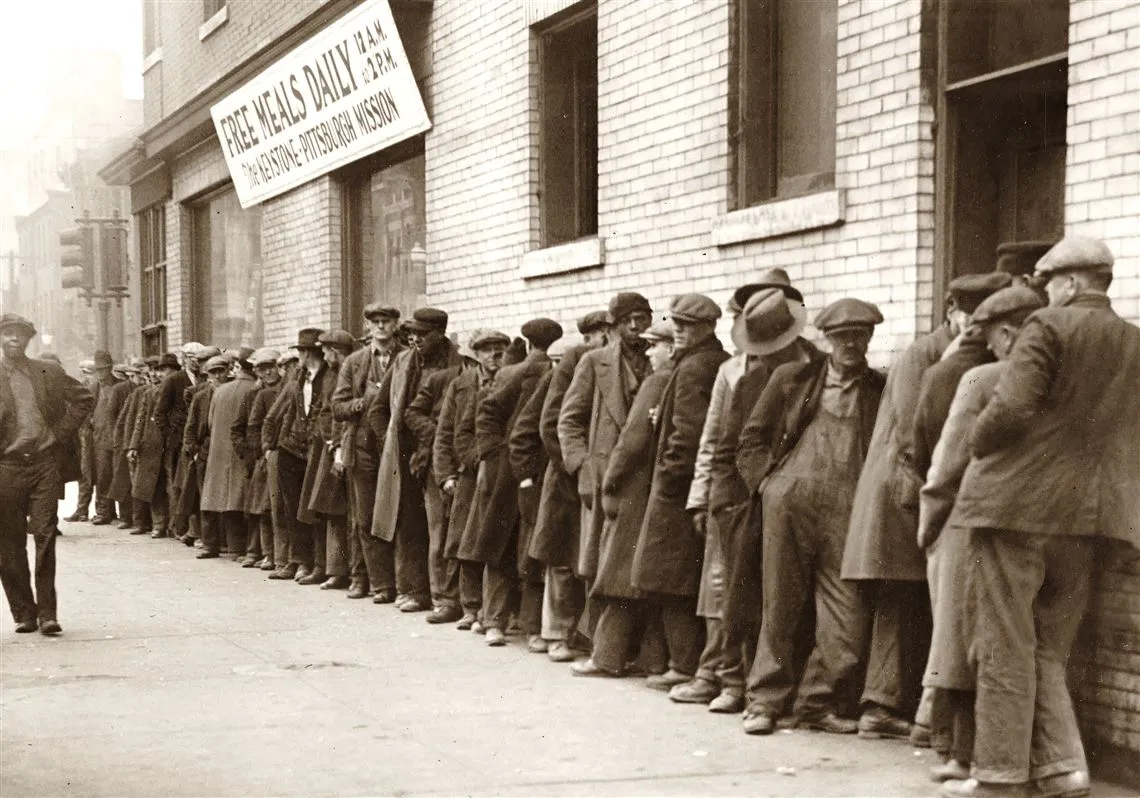 Photo: Great Depression, via 9b16f79ca967fd0708d1-2713572fef44aa49ec323e813b06d2d9.ssl.cf2.rackcdn.com
 Photo: rural Appalachia, via wandrlymagazine.com
The Problem Nobody Could Afford to Solve
By the early 1930s, the American mental health system was, to put it charitably, a mess. Formal psychiatric care was expensive, largely inaccessible outside cities, and often carried a stigma so powerful that most rural families would rather suffer in silence than seek it out. Public health nurses — many of them trained through New Deal programs and dispatched to underserved counties — were often the only healthcare workers many families ever saw.
These nurses weren't therapists. They were there to check on tuberculosis patients, help with deliveries, and make sure children got vaccinated. But they kept running into something the textbooks hadn't prepared them for: communities drowning in psychological distress with nowhere to put it.
Labor historians who've studied oral accounts from this era describe a pattern that emerged organically across multiple counties. Nurses began organizing what locals called "sitting circles" — informal gatherings, usually in someone's home, where neighbors could share what was weighing on them. No credentials required. No diagnosis needed. Just people in a room, listening to each other.
Why It Worked — Even Though Nobody Called It Therapy
Here's the thing about these sitting circles that makes them so fascinating from a modern perspective: they were accidentally doing several things that clinical research now confirms are genuinely therapeutic.
First, they eliminated isolation. One of the most consistent findings in mental health research is that perceived social disconnection amplifies psychological suffering. When you believe you're the only one struggling, the struggle gets heavier. The sitting circles broke that illusion immediately — you'd walk in thinking your grief was shameful and walk out realizing your neighbor had been carrying the same weight for months.
Second, they created what psychologists call "narrative processing" — the act of putting your experience into words for another person. Telling your story out loud, to someone who isn't going to fix it or judge it, is one of the most reliably calming things a human brain can do. Neuroscientists now call this "affect labeling," and studies have shown it measurably reduces activity in the amygdala, the brain's alarm center.
Third — and this is the part that gets overlooked — the nurses weren't facilitating in the way a therapist would. They were participating. They shared their own exhaustion, their own worries. That peer dynamic, research now suggests, is actually more effective for certain kinds of emotional distress than the clinical model of one expert and one patient.
The Idea That Got Lost in the Postwar Boom
After World War II, American healthcare went through a rapid professionalization wave. Insurance systems expanded, clinical credentials became more formalized, and the idea of "untrained" people providing emotional support quietly got pushed to the margins. The sitting circles faded. What replaced them was a system that, while producing genuine breakthroughs, also priced out the majority of the people who needed it most.
Today, the average cost of a therapy session in the US sits between $100 and $200. Wait times at community mental health centers can stretch to months. And according to the National Alliance on Mental Illness, fewer than half of American adults with mental health conditions receive any treatment at all.
The gap those Depression-era nurses were trying to fill never actually closed.
The Quiet Comeback
Community health advocates have been paying attention. Over the last decade, peer support specialist programs have expanded significantly across the US — trained individuals with lived experience of mental illness who work alongside clinical teams, or independently in community settings. The research backing these programs is now substantial. A 2019 meta-analysis found peer support interventions significantly reduced psychiatric hospitalization rates and improved recovery outcomes.
Mutual aid networks that emerged during the COVID-19 pandemic brought similar dynamics back to life — neighbors checking on neighbors, informal circles forming in church basements and community centers and Zoom rooms.
None of it is exactly what those Appalachian nurses built. But the underlying principle is identical: connection, offered without a price tag and without a credential, can be genuinely healing.
What You Can Actually Do With This
You don't need to start a formal program. The core insight from those 1930s sitting circles is simpler than that.
If you're carrying something heavy right now, find one other person who might be carrying something similar — and ask them how they're really doing. Not the surface version. The real one. Then share yours.
That exchange, repeated regularly, with the same small group of people, is closer to what mental health researchers are recommending than most people realize. Some of the most effective peer support programs today are literally just structured versions of people sitting in a room and telling each other the truth.
Edna figured that out in a Kentucky farmhouse kitchen in 1934. It took the rest of us a while to catch up.