The West Virginia Root Women Who Understood Your Nervous System Before Scientists Had the Tools To
The Healers Nobody Wrote Down
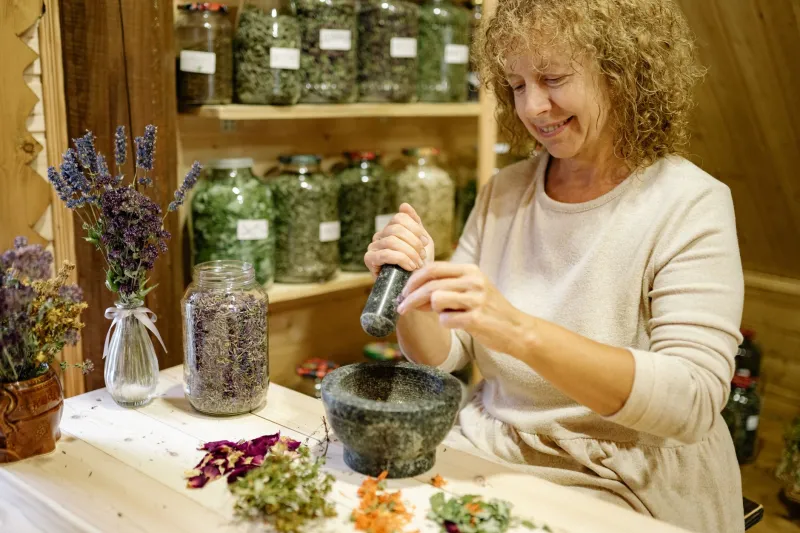
There were no diplomas on the walls. No waiting rooms, no billing codes, no Latin terminology. Just a woman — often older, often the only medical presence within thirty miles — standing over a cast-iron pot in a hollow somewhere in West Virginia or eastern Kentucky, combining plants she'd learned from her grandmother, who'd learned from hers.
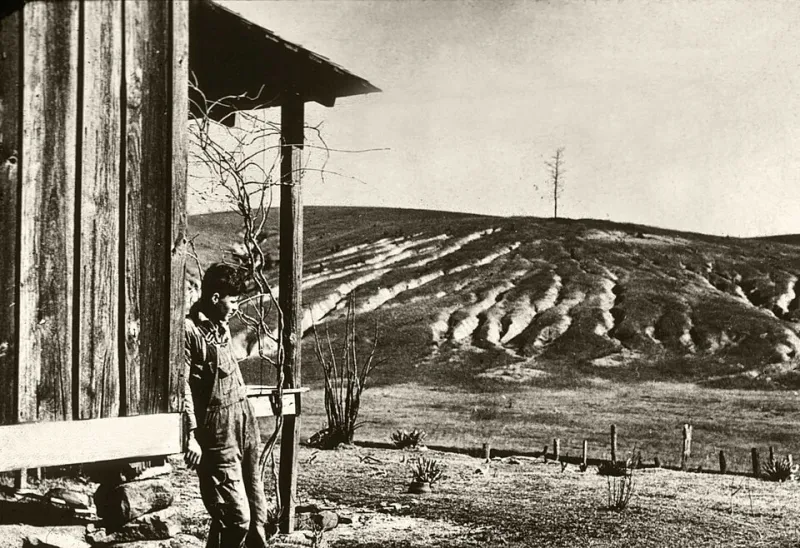
 Photo: West Virginia, via www.telegraph.co.uk
They called the condition they treated most often nerve trouble. It covered a sprawling range of what we'd now recognize as anxiety disorders, panic attacks, chronic stress responses, and trauma-related sleep disruption. And the remedies they reached for — skullcap, passionflower, valerian root, motherwort — are now sitting at the center of some genuinely surprising clinical research.
The question isn't just whether these plants worked. It's how these women figured out which plants to combine, in what proportions, before any of the science existed to explain why.
What They Called Nerve Trouble
In 19th-century Appalachia, the nervous system wasn't a topic you found in books most people owned. But folk healers had developed a remarkably detailed — if differently named — map of how the body responded to fear, grief, overwork, and shock.
They described patients whose hearts raced for no clear reason. Who couldn't sleep despite exhaustion. Who trembled, couldn't eat, or went suddenly cold and pale under stress. These weren't diagnoses in any formal sense, but they were observations, and they were accurate.
The remedies that emerged from those observations are the part that's getting researchers' attention now.
Skullcap (Scutellaria lateriflora), a plant native to North American woodlands, was a staple of Appalachian nerve formulas. Passionflower (Passiflora incarnata) was another, often combined with skullcap in teas or tinctures specifically for what healers described as a racing, anxious mind. Motherwort was reserved for what they called heart flutter accompanying fear.
Here's where it gets interesting: modern pharmacological studies have identified that both skullcap and passionflower contain compounds that act on GABA receptors — the same receptor system targeted by benzodiazepines, the class of drugs that includes Valium and Xanax. Passionflower specifically has shown up in randomized controlled trials as a legitimate anxiolytic, with one study published in Phytotherapy Research finding it comparable to low-dose oxazepam for generalized anxiety.
They didn't know about GABA. They had no concept of receptor binding. They just kept track of what worked.
The Vagus Nerve Connection Nobody Expected
The vagus nerve is having a moment in mainstream medicine. Running from the brainstem down through the chest and into the gut, it's the primary highway of the parasympathetic nervous system — the biological counterweight to the stress response. Stimulating it calms heart rate, reduces inflammation, and signals the brain to stand down from threat mode.
Vagus nerve stimulation is now being explored as a treatment for depression, epilepsy, PTSD, and inflammatory conditions. Devices to stimulate it non-invasively sell for hundreds of dollars.
Appalachian herbalists, of course, never used the phrase. But researchers studying the specific mechanisms of their most-used plants are finding something striking: several traditional Appalachian nerve herbs appear to influence vagal tone through multiple pathways simultaneously — via bitter receptors in the gut, through direct effects on the enteric nervous system, and through compounds that reduce the cortisol signaling that keeps the vagus suppressed under chronic stress.
Dr. Tieraona Low Dog, an integrative medicine physician who has spent years documenting traditional botanical practices, has noted that the multi-herb combinations used in folk traditions often produce synergistic effects that single-compound pharmaceutical approaches miss entirely. The healers weren't just guessing at individual plants — they were building systems.
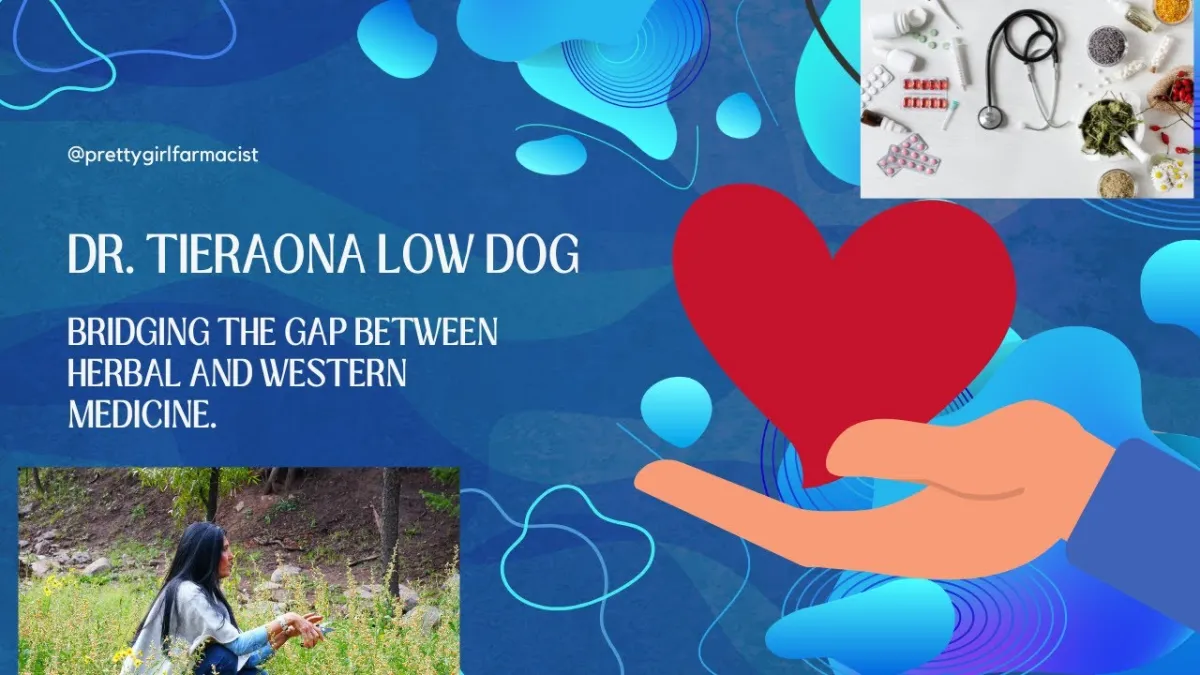 Photo: Dr. Tieraona Low Dog, via i.ytimg.com
The Cost of Dismissal
For most of the 20th century, Appalachian folk medicine was filed under superstition. The women who practiced it were called granny women, herb ladies, or worse. Medical schools trained generations of doctors to regard their methods as primitive holdovers from pre-scientific thinking.
That dismissal had real consequences. It delayed serious botanical research by decades. It meant that plants with genuine pharmacological activity sat on roadsides and in kitchen gardens while pharmaceutical companies developed synthetic analogs of the same mechanisms at enormous expense.
It also meant that communities that relied on these healers — often because they had no other option — lost access to knowledge systems that had been refined over generations, without gaining reliable replacement access to formal healthcare.
Some of that knowledge was simply lost. Oral traditions don't survive neglect.
What's Quietly Changing
The clinical research landscape around botanicals has shifted noticeably in the last decade. Passionflower has multiple peer-reviewed trials behind it now. Skullcap is being studied for its neuroprotective properties. The Journal of Alternative and Complementary Medicine has published serious pharmacological work on several traditionally Appalachian herbs.
More quietly, anxiety researchers are starting to pay attention to the combinations rather than isolated compounds — which is how traditional healers always used these plants. That shift in methodology is producing results that single-compound trials missed.
None of this vindicates every folk remedy that ever existed. Some traditional practices were ineffective, some were actively harmful, and rigorous testing still matters enormously. But the specific case of Appalachian nerve medicine is a striking example of empirical observation outpacing formal science by more than a century.
Somewhere in a West Virginia hollow, a woman who never went to medical school was watching her patients breathe slower, sleep better, and stop trembling — and she wrote down what she'd used. We're only now building the vocabulary to understand what she already knew.