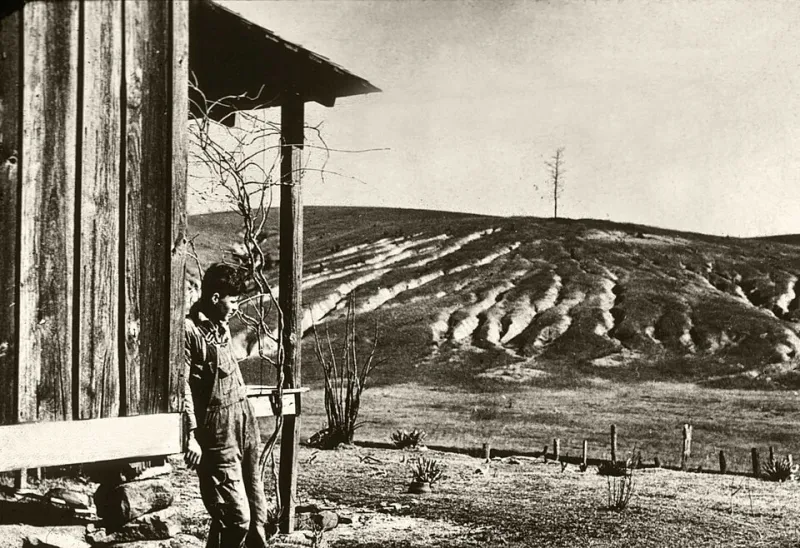
America's Lost Healing Waters — Why 19th-Century Spring Resorts Worked Better Than Modern Supplements
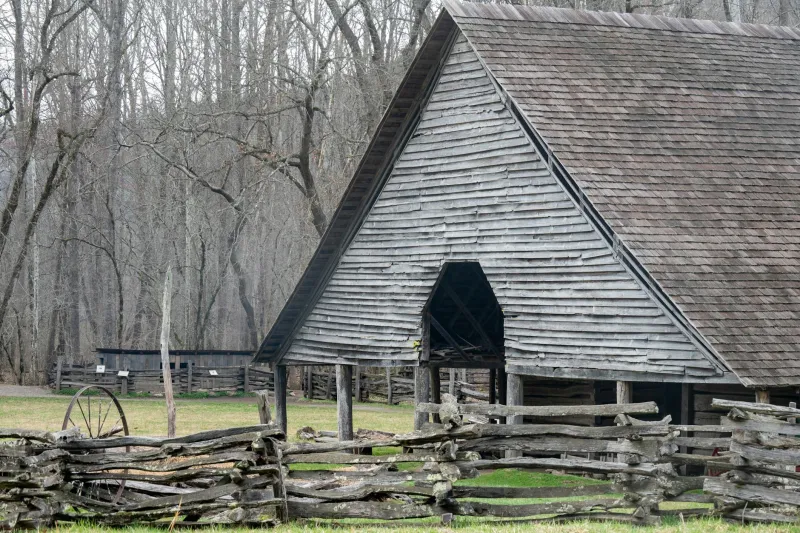
The Great American Pilgrimage You've Never Heard Of
Between 1800 and 1920, something extraordinary happened across the American backcountry. Every summer, thousands of people from cities like Boston, New York, and Philadelphia would pack their belongings and make arduous journeys to remote Appalachian valleys, seeking out natural mineral springs that promised to cure everything from "nervous exhaustion" to digestive troubles.
These weren't wealthy elites seeking luxury spas. These were ordinary Americans — shopkeepers, teachers, factory workers — who somehow scraped together the money and time for what they considered essential healthcare. And here's the remarkable part: it actually worked.
The Circuit That Modern Medicine Forgot
The mineral spring circuit stretched from the Berkshires down through Virginia's Shenandoah Valley, with famous stops like Saratoga Springs in New York, White Sulphur Springs in West Virginia, and dozens of smaller operations tucked into remote mountain hollows.
 Photo: White Sulphur Springs, via cdn.diaocthongthai.com
 Photo: Saratoga Springs, via www.travellerselixir.com
Guests would arrive for "cures" lasting anywhere from two weeks to entire summers, drinking prescribed amounts of spring water, bathing in mineral pools, and following strict routines designed around the springs' unique chemical properties. Medical doctors of the era took this seriously — they prescribed specific springs for specific conditions and tracked patient outcomes with surprising rigor.
Dr. John Bell, a prominent Philadelphia physician, wrote in 1831 that patients arriving at Virginia's springs "pale and enfeebled" would depart "with renewed vigor and restored health" after just weeks of treatment. Contemporary medical journals documented case after case of dramatic improvements in conditions we'd now recognize as cardiovascular disease, anxiety disorders, and autoimmune problems.
The Chemical Secrets Hiding in Mountain Water
What made these springs special wasn't mystical — it was chemistry. Modern analysis of historical spring sites reveals water naturally loaded with minerals that most 19th-century Americans were severely lacking.
Magnesium concentrations in popular springs often exceeded 200mg per liter — meaning a typical daily "cure" dose delivered more bioavailable magnesium than most modern supplements. This mineral, crucial for over 300 enzymatic processes, was nearly absent from typical American diets of flour, salted meat, and preserved foods.
Lithium appeared in significant quantities at springs like Lithia Springs, Georgia (named for its lithium content). Long before psychiatrists discovered lithium's mood-stabilizing properties, spring visitors were unknowingly treating anxiety and depression with naturally occurring therapeutic doses.
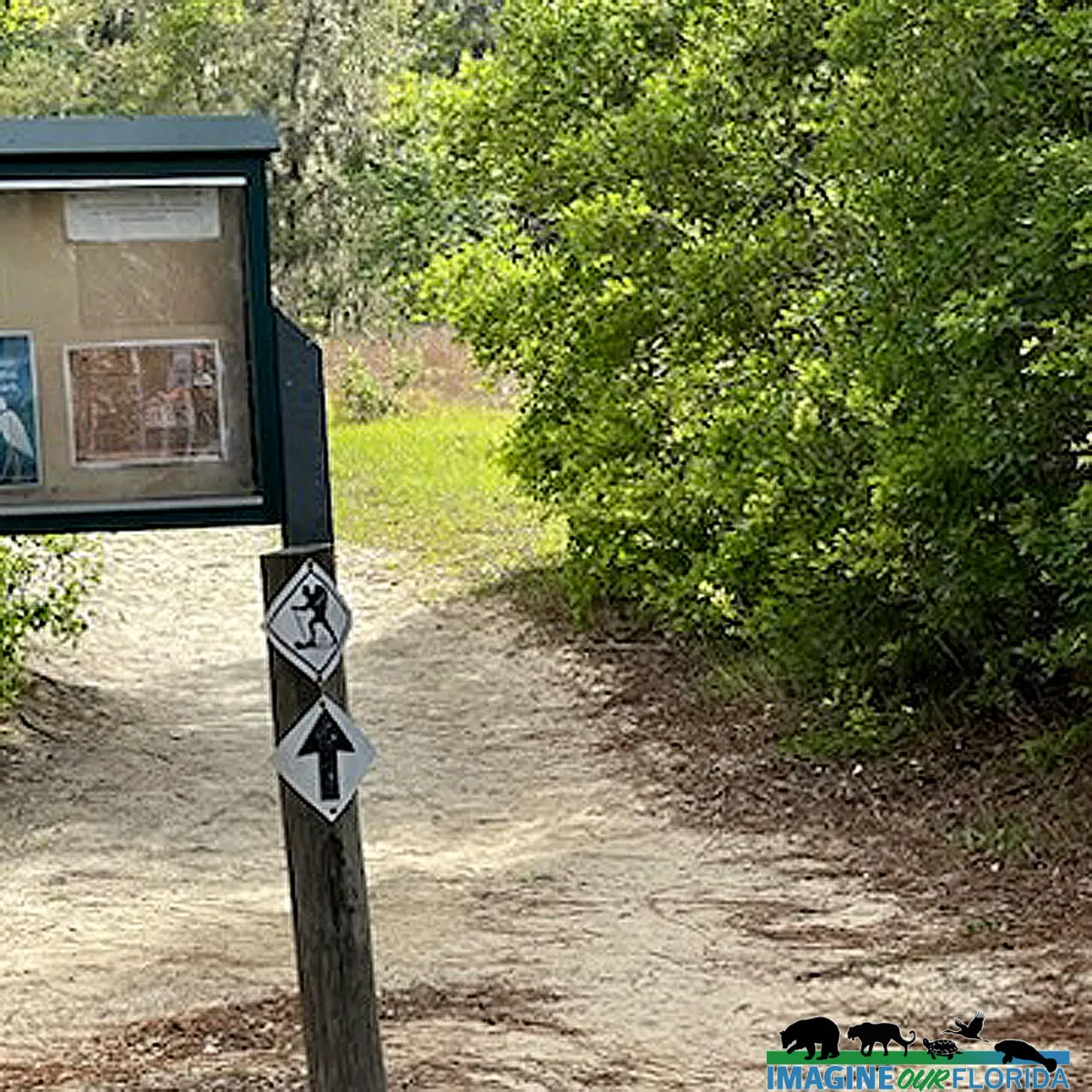 Photo: Lithia Springs, via www.imagineourflorida.org
Sulfur compounds gave many springs their distinctive "rotten egg" smell but delivered powerful anti-inflammatory effects. Recent research suggests these compounds support detoxification pathways and reduce systemic inflammation — exactly what bodies stressed by industrial city life needed most.
The Absorption Advantage Modern Pills Can't Match
Here's where the story gets really interesting: the mineral delivery system at these springs was fundamentally different from modern supplementation. Rather than taking isolated compounds in pill form, visitors consumed minerals dissolved in water, often naturally chelated with organic compounds that dramatically improved absorption.
Dr. Amanda Foster, a mineral researcher at the University of Colorado, explains: "When you dissolve magnesium in spring water alongside naturally occurring bicarbonates and trace elements, your body can absorb up to 90% of the mineral content. Compare that to typical magnesium oxide supplements, where absorption rates hover around 15-20%."
The springs also delivered minerals in ratios that supported each other's absorption — something supplement manufacturers are only beginning to understand. Calcium and magnesium appeared in optimal proportions, while trace elements like boron and silica enhanced the bioavailability of major minerals.
Why the Healing Waters Disappeared
The mineral spring era ended almost overnight between 1910 and 1930, not because the springs stopped working, but because of three converging forces that reshaped American healthcare.
First, the rise of synthetic pharmaceuticals promised faster, more targeted treatments than weeks-long spring cures. Why spend a month at a remote spring when a new pill could supposedly deliver the same results in days?
Second, the automobile changed American vacation patterns. Instead of staying put for extended cures, families wanted to see multiple destinations during shorter trips. The springs' slow-medicine approach felt outdated in an increasingly fast-paced world.
Third, and perhaps most importantly, the medical establishment shifted toward laboratory-based treatments that could be standardized and patented. Natural mineral springs, impossible to control or monetize, fell out of favor with a profession increasingly focused on replicable, measurable interventions.
The Mineral Deficiency Crisis We Don't Talk About
Here's the uncomfortable truth: while we eliminated the spring cure tradition, we never solved the underlying problem it addressed. Modern agricultural practices have depleted soil minerals, processed foods dominate American diets, and chronic stress depletes our bodies' mineral stores faster than ever.
Recent USDA data shows that fruits and vegetables contain 20-40% fewer minerals than they did in 1950. Meanwhile, the average American consumes less than half the recommended daily intake of magnesium, and deficiencies in trace minerals like zinc, selenium, and chromium are becoming epidemic.
Dr. James DiNicolantonio, a cardiovascular researcher and author of "The Salt Fix," argues that "we've created a perfect storm of mineral depletion at exactly the moment when our stress levels and toxic exposures require optimal mineral status for basic health maintenance."
The Modern Spring Water Renaissance
Interestingly, some of the old spring sites are experiencing quiet revivals. Saratoga Springs still flows, and a growing number of health-conscious Americans are rediscovering the benefits of naturally mineralized water.
Small companies are now bottling water from mineral-rich sources, though at prices that would shock 19th-century spring visitors. A month's supply of premium mineral water can cost more than those historical summer-long cures.
The lesson isn't that we should abandon modern medicine for 19th-century spring cures. It's that our ancestors accidentally stumbled onto something profound about mineral nutrition that we're only now beginning to understand scientifically.
Perhaps the real cure wasn't in the springs themselves, but in the recognition that optimal health requires more than just avoiding disease — it demands actively nourishing the body with elements that modern life systematically depletes.