The Arctic People Who Beat Winter Blues 500 Years Before Light Therapy Existed
The Mystery of the Unbreakable Arctic Spirit
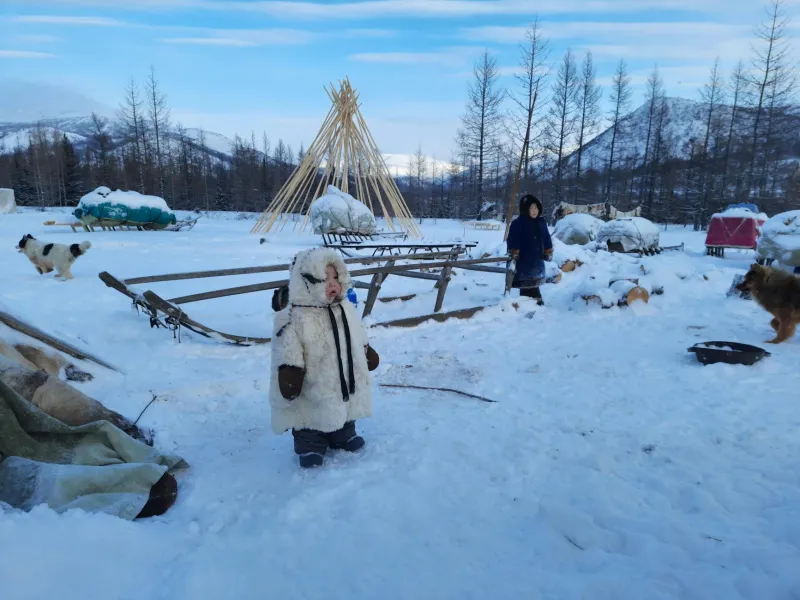
In the bone-crushing cold of northeastern Siberia, where winter darkness stretches for months and temperatures plummet to -60°F, you'd expect to find a population devastated by seasonal depression. Instead, researchers discovered something remarkable: the Yakut people, who've lived in this harsh environment for over 500 years, show virtually no signs of seasonal affective disorder.
 Photo: Yakut people, via cdn.shopify.com
While millions of Americans struggle with winter blues, popping vitamin D supplements and investing in expensive light therapy devices, this indigenous community developed a completely different approach — one that modern psychiatrists are quietly studying with growing fascination.
The Three-Pillar System Hidden in Daily Life
The Yakut didn't stumble upon their solution by accident. Their winter resilience stems from three interconnected practices that researchers now recognize as surprisingly sophisticated interventions.
First, their communal storytelling rituals served as more than entertainment. Every evening during the darkest months, extended families would gather in heated rooms called balagan, sharing epic tales that could last for hours. But here's what makes this different from simply watching TV together: the stories followed specific emotional arcs designed to process fear, build community bonds, and maintain hope during isolation.
Dr. Sarah Chen, a psychiatrist at Stanford who's studied these practices, notes that "the narrative structure mirrors what we now call cognitive behavioral therapy techniques, but embedded in cultural tradition rather than clinical sessions."
 Photo: Dr. Sarah Chen, via i.pinimg.com
The Fermented Food Factor Nobody Expected
The second pillar involves their winter diet, specifically their consumption of fermented mare's milk called kumys and fermented fish preparations. While this might sound unappetizing to modern Americans, these foods delivered something crucial: a steady supply of B vitamins, probiotics, and omega-3 fatty acids during months when fresh food was impossible to obtain.
Recent research on the gut-brain axis suggests the Yakut accidentally created the perfect winter microbiome support system. The fermentation process not only preserved nutrients but actually enhanced the bioavailability of mood-supporting compounds.
"We're seeing clear connections between gut health and seasonal depression," explains Dr. Maria Rodriguez, a researcher at the University of Vermont studying traditional arctic diets. "The Yakut diet maintained bacterial diversity that most modern people lose completely during winter months."
 Photo: Dr. Maria Rodriguez, via mariarodriguez.org
The Light Ritual That Predated Modern Therapy
Perhaps most surprisingly, the Yakut developed deliberate light exposure practices centuries before anyone understood circadian rhythms. During the brief daylight hours, community members would engage in outdoor activities that maximized their exposure to available light, often involving reflective snow surfaces that amplified the sun's intensity.
But they didn't stop there. Inside their winter dwellings, they maintained carefully tended fires that provided specific types of light exposure during evening hours — not the harsh, sleep-disrupting light we get from modern screens, but warm, flickering light that supported natural melatonin production.
What Modern Americans Can Learn
You don't need to move to Siberia or start fermenting fish to benefit from Yakut wisdom. The principles translate surprisingly well to modern life:
Community storytelling can be as simple as establishing regular family dinner conversations where people share meaningful experiences rather than scrolling phones. The key is creating predictable social connection during isolating winter months.
Fermented foods are easier than ever to incorporate. Kefir, sauerkraut, kimchi, and kombucha can provide similar gut health benefits. The goal is consistent consumption throughout winter, not occasional health kicks.
Strategic light exposure means getting outside during peak daylight hours (even on cloudy days) and being mindful of evening light sources. Consider warm-toned bulbs instead of harsh LED lights after sunset.
The Overlooked Epidemic
Here's what makes this discovery particularly relevant: seasonal affective disorder affects an estimated 5% of Americans, with another 10-20% experiencing milder winter depression. Yet most treatments focus on individual interventions — light boxes, medications, or therapy sessions.
The Yakut approach suggests that community-based, lifestyle-integrated solutions might be more effective than isolated clinical treatments. Their system worked because it addressed the whole person within their social context, not just brain chemistry in isolation.
Why This Matters Now
As Americans become increasingly isolated — especially during winter months — and our diets become more processed and less diverse, we're essentially creating the opposite conditions of what kept the Yakut psychologically resilient.
The irony is striking: we have access to advanced lighting technology, year-round fresh food, and sophisticated mental health treatments, yet seasonal depression rates continue climbing. Meanwhile, a small Arctic community figured out sustainable solutions using nothing but community wisdom, fermented foods, and fire.
Perhaps it's time to consider that the most effective treatments for modern problems might be hiding in ancient solutions — we just need to know where to look.