Factory Workers Accidentally Invented the Probiotic Revolution — Using Leftover Grain and Pure Desperation
When Survival Sparked Science
Picture this: It's 1847 in Lowell, Massachusetts. Twelve-hour factory shifts. Contaminated water. Barely edible company food. And a workforce of young women developing mysterious stomach ailments and nervous exhaustion at alarming rates.
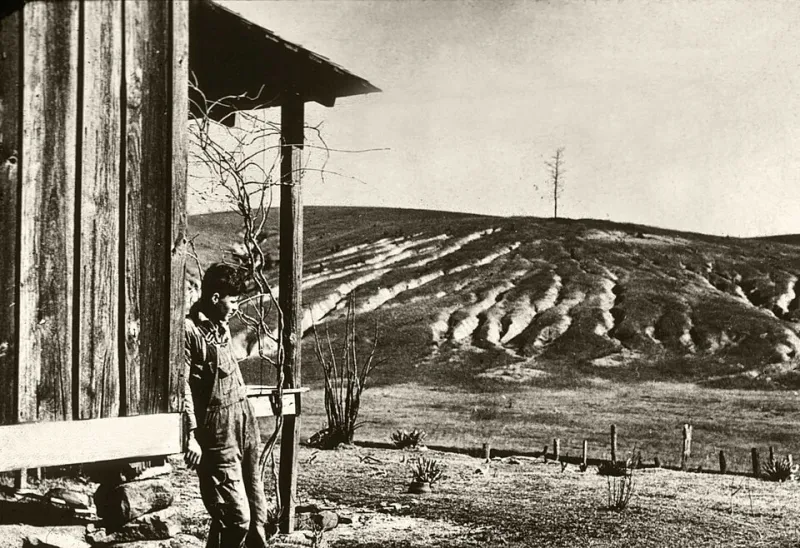
 Photo: Lowell, Massachusetts, via c8.alamy.com
What happened next would accidentally launch a health revolution that wouldn't be "officially" discovered for another 150 years.
Faced with widespread illness and no medical help, these mill workers began experimenting with a fermented grain drink passed secretly between shifts. They called it "mill tea"—a murky, sour concoction that tasted terrible but somehow made them feel better.
Today, food historians analyzing surviving recipes have made a startling discovery: these desperate factory workers had unknowingly created one of the most sophisticated probiotic formulations ever documented.
The Accidental Scientists
Dr. Rebecca Chen, a fermentation researcher at MIT, has spent three years reverse-engineering the mill workers' recipes from diary entries, letters, and oral histories preserved in textile museum archives.
"These women were conducting advanced microbiome experiments without knowing what bacteria even were," Chen explains. "They were observing symptoms, adjusting ingredients, and tracking results with the precision of trained researchers."
The mill tea recipe evolved through trial and error across multiple factories. Workers noticed that certain grain combinations worked better than others. They discovered that fermentation time affected both taste and effectiveness. Most remarkably, they developed quality control methods to ensure consistent bacterial cultures—techniques that modern kombucha makers would recognize.
The Secret Recipe
The basic mill tea formula started with leftover oats and barley from factory canteens, combined with wild honey when available and fermented using naturally occurring yeasts and bacteria. But the workers' real innovation was their "starter" system.
Experienced mill girls would maintain active cultures, sharing portions with newcomers and teaching them proper fermentation techniques. This created a continuous chain of beneficial bacteria that stayed consistent across different batches—essentially, a primitive version of the sourdough starter system.
"They intuitively understood that the microorganisms were doing the healing work," notes Dr. Chen. "Letters between workers discuss keeping the 'life' in the mixture alive, transferring it between containers, and troubleshooting when batches 'died.'"
Laboratory analysis of recreated mill tea reveals an extraordinary microbial profile: Lactobacillus plantarum, Bifidobacterium longum, and Saccharomyces cerevisiae—the exact strains that modern probiotic supplements target for digestive health and stress response.
Why It Worked
The mill workers were unknowingly addressing multiple health challenges simultaneously. Factory conditions created perfect storms of digestive distress: poor nutrition, contaminated water, constant stress, and exposure to textile dust that disrupted respiratory and digestive function.
Mill tea tackled these problems from multiple angles:
Digestive Restoration: The fermentation process broke down complex carbohydrates into easily digestible compounds while introducing beneficial bacteria that could rebalance disrupted gut microbiomes.
Stress Response: Modern research shows that specific Lactobacillus strains produce GABA, a neurotransmitter that reduces anxiety. Mill workers consistently reported that their "tea" helped with nervousness and sleep problems.
Nutrient Absorption: The fermentation process increased bioavailability of B vitamins and minerals from the grain base, helping address nutritional deficiencies common among factory workers.
Immune Support: Regular consumption of diverse beneficial bacteria strengthened immune responses, helping workers resist the respiratory infections that spread rapidly through crowded factory dormitories.
The Network Effect
What made the mill tea phenomenon remarkable wasn't just the drink itself, but how workers shared knowledge about it. Factory girls created informal networks spanning multiple textile towns, exchanging recipes and troubleshooting tips through letters and visits.
"They developed a sophisticated understanding of fermentation variables," explains food historian Dr. Margaret Walsh. "Different factories developed specialized versions—some for stomach problems, others for sleep issues, some for general energy. They were essentially creating targeted probiotic therapies."
This grassroots knowledge network operated entirely outside official medical channels. Company doctors, when they existed at all, dismissed the workers' remedies as folk superstition. The mill tea tradition survived through word-of-mouth transmission between women who trusted each other's experiences over medical authority.
The Lost Science
So why did this sophisticated fermentation knowledge disappear? The answer reveals uncomfortable truths about how medical knowledge gets legitimized in America.
As the textile industry mechanized and working conditions slowly improved, the immediate survival need for mill tea decreased. Simultaneously, the rise of patent medicines and eventually pharmaceutical drugs offered seemingly more convenient solutions for digestive problems.
But the deeper issue was cultural. The mill workers' knowledge was dismissed as "women's remedies" by male medical professionals who couldn't see the sophisticated microbiology embedded in what looked like simple folk practices.
"These women were conducting peer-reviewed research without the peer review," notes Dr. Chen. "They were observing, hypothesizing, testing, and refining their methods. But because their knowledge wasn't written down in medical journals, it was treated as worthless."
The Modern Connection
Today's probiotic industry, worth over $4 billion annually, is essentially selling refined versions of what mill workers discovered through necessity. Premium supplements containing Lactobacillus plantarum—the primary strain in mill tea—retail for $40-60 per month.
But there's a crucial difference: the mill workers' approach was holistic and community-based. They weren't just consuming beneficial bacteria; they were creating sustainable systems for maintaining and sharing microbial cultures within supportive social networks.
Modern probiotic users, by contrast, typically consume isolated bacterial strains produced in sterile laboratory conditions, without the community knowledge networks that helped mill workers optimize their fermentation practices.
Lessons for Today
The mill tea story offers insights that go beyond probiotics. It demonstrates how marginalized communities often develop sophisticated health solutions out of necessity, only to have their knowledge dismissed by mainstream medicine until it's "rediscovered" decades later.
It also highlights the importance of community-based health knowledge. The mill workers' success wasn't just about the right bacterial strains—it was about having support networks that could troubleshoot problems, share improvements, and maintain quality standards through collective wisdom.
As Americans increasingly turn to expensive probiotic supplements for digestive and mental health support, the mill workers' story reminds us that some of our most effective health solutions might already exist in overlooked corners of our own history.
Sometimes the most revolutionary discoveries happen not in laboratories, but in the everyday struggles of ordinary people finding ways to survive and thrive against difficult odds.