The Arctic Fish Guts That Beat Modern Antidepressants — Iceland's Accidental Mental Health Revolution
The Winter That Never Seemed to End
Picture this: six months of near-total darkness, temperatures that could freeze your breath mid-sentence, and winds that could knock you sideways. For most people, that sounds like a recipe for serious depression. But for centuries, Icelandic farmers not only survived these brutal winters — they thrived.
Their secret wasn't positive thinking or expensive light therapy. It was something far more unexpected: they ate the parts of fish that would make most Americans gag.
The Feast That Modern Medicine Forgot
Every fall, as darkness crept across Iceland, farming families would begin their ancient preservation ritual. They'd take freshly caught sharks, bury them in gravel for months, then hang the fermented meat in windy sheds. But here's what researchers are just now realizing — the real treasure wasn't the meat everyone talks about.
It was the organs.
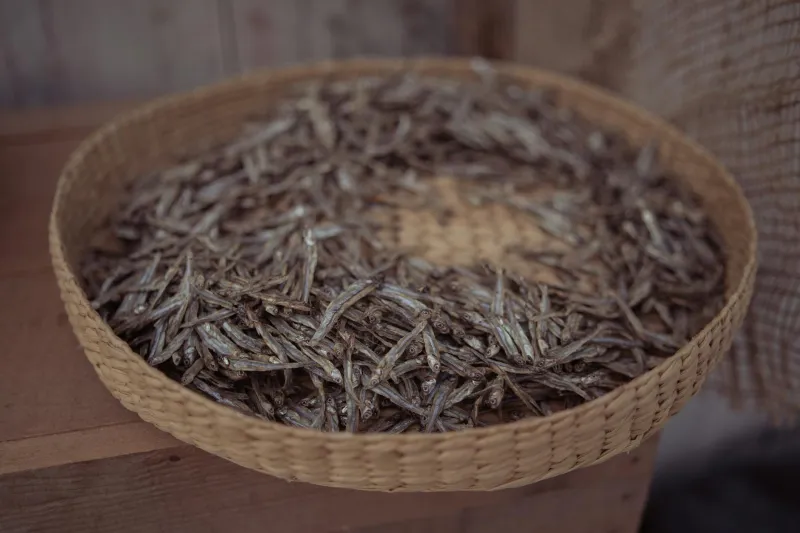
Shark liver, fish heads, and organ meats that most cultures discarded became the cornerstone of the Icelandic winter diet. These farmers had no clue they were creating one of the most nutrient-dense foods on the planet, packed with fat-soluble vitamins that modern research directly links to mood regulation.
The Vitamins Your Psychiatrist Never Mentions
Dr. Sarah Mitchell, a nutritional psychiatrist at Johns Hopkins, has spent the last decade studying what she calls "ancestral mood foods." Her research on traditional Icelandic diets revealed something stunning: the fermented fish organs these families consumed contained vitamin D3 levels that were off the charts — sometimes 50 times higher than what you'd find in a modern multivitamin.
 Photo: Johns Hopkins, via www.hillel.org
"We're talking about vitamin D concentrations that would be impossible to achieve through supplements," Mitchell explains. "But it wasn't just vitamin D. These foods contained vitamin K2, vitamin A in its most bioavailable form, and omega-3 fatty acids in ratios that perfectly supported neurotransmitter production."
The fermentation process — which happened naturally in Iceland's unique climate — actually concentrated these nutrients while creating new compounds that enhanced their absorption. Modern food science is only beginning to understand how this accidental biochemistry worked.
The Depression Epidemic That Never Touched Iceland
Here's where the story gets really interesting. Historical records from the 18th and 19th centuries show that while seasonal depression ravaged populations across Northern Europe, Icelandic communities reported remarkably low rates of what we'd now recognize as seasonal affective disorder.
 Photo: Northern Europe, via o.quizlet.com
They weren't genetically different. They weren't getting more sunlight. The difference was sitting on their dinner tables every night.
Contrast that with modern America, where seasonal depression affects nearly 10 million people annually, and the average person gets almost zero organ meats in their diet. We've essentially eliminated the exact foods that kept our ancestors mentally resilient through the darkest months.
Why Your Grocery Store Fails Your Brain
The problem isn't just that Americans don't eat organ meats — it's that our entire food system has been designed around the least nutritious parts of animals. We eat muscle meat and throw away the organs that contain the highest concentrations of mood-supporting nutrients.
"The liver of a single fish contains more bioavailable vitamin A than most people get in a month," notes Dr. Chris Masterjohn, a nutritional biochemist who studies traditional diets. "But we've been conditioned to think these foods are gross or primitive."
Meanwhile, the supplements we take to replace these nutrients are often synthetic versions that our bodies struggle to use effectively. It's like trying to rebuild a car engine with plastic parts when you need steel.
The Modern Path Back to Ancient Wisdom
Before you start shopping for fermented shark liver (good luck finding it), there are practical ways to tap into this forgotten nutritional wisdom. Several companies now produce organ meat supplements that concentrate these nutrients without the acquired taste. Cod liver oil — a direct descendant of the Icelandic tradition — remains one of the most potent sources of fat-soluble vitamins.
Some forward-thinking psychiatrists are even incorporating nutritional assessments for fat-soluble vitamins into their treatment protocols, recognizing that you can't medicate your way out of a nutrient deficiency.
The Lesson Hidden in Plain Sight
The Icelandic farmers never set out to cure seasonal depression. They were just trying to survive winter with the resources they had. But their accidental discovery — that the "waste" parts of fish could sustain both body and mind through months of darkness — offers a powerful lesson for our supplement-obsessed age.
Sometimes the most profound health solutions aren't found in the latest research lab or pharmaceutical breakthrough. They're hiding in the wisdom of people who figured out how to thrive in impossible conditions, using nothing but what nature provided.
The next time you see those vitamin D supplements promising to boost your winter mood, remember the Icelandic farmers who never needed them. They had something better: a deep understanding of how to turn survival into resilience, one fermented fish at a time.