Grandmothers From Warsaw and Palermo Were Growing Their Way Out of Winter Depression — Nobody Thought to Study It Until Now
The Garden Behind the Tenement
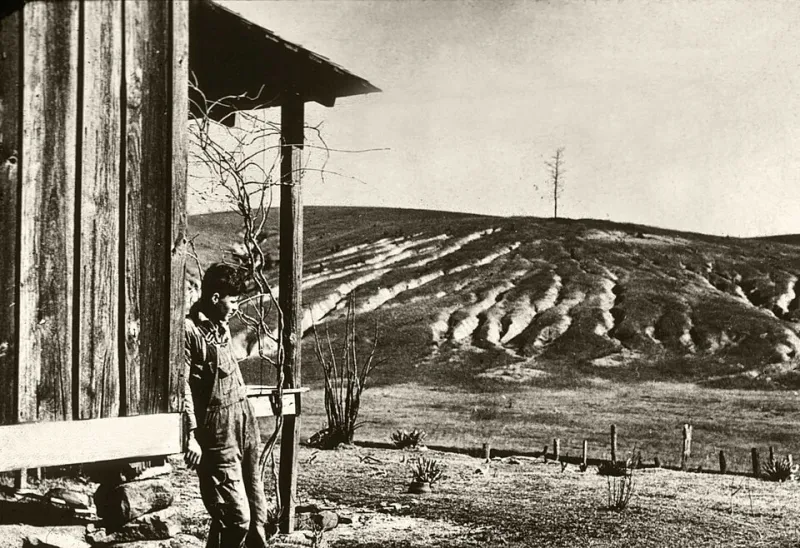
If you look at photographs of immigrant neighborhoods in cities like Pittsburgh, Cleveland, or Chicago from the 1910s through the 1940s, you'll notice something behind a lot of those cramped row houses: gardens. Not decorative ones. Working ones. Densely planted, meticulously maintained, producing food through almost every month the weather allowed.
These weren't just poverty solutions, though they certainly helped stretch a tight household budget. They were cultural transplants — practices carried from Polish villages, Ukrainian farms, and Sicilian hillsides and rebuilt on American soil as faithfully as the families could manage. And buried inside the rhythms of those gardens — when things were planted, when they were harvested, what was preserved and eaten in what season — was something nobody thought to study until recently.
Those kitchen garden routines appear to have been quietly, accidentally, protecting these communities from seasonal depression.
What the USDA Reports Left Out
The USDA conducted extensive surveys of immigrant food habits in the early 20th century, trying to understand how these communities were feeding themselves and whether they were nutritionally at risk. The reports are meticulous about calories, protein sources, and mineral content. What they almost entirely missed was the timing dimension — when specific foods were eaten across the calendar year and how that timing interacted with mood, energy, and mental health.
That gap matters enormously, because what we now call chrononutrition — the science of how when you eat specific nutrients affects how your body processes them — has emerged as one of the more quietly revolutionary fields in nutrition research over the last decade. And when researchers started looking at historical food journals, immigrant community records, and oral history archives from settlement houses like Hull House in Chicago, a pattern emerged.
These families were eating in ways that aligned almost perfectly with what modern chrononutrition research identifies as protective against seasonal affective disorder.
The Accidental Protocol
Here's what the pattern looked like, reconstructed from records and food diaries.
Late summer and fall were preservation seasons — intense periods of canning, fermenting, and drying that produced fermented vegetables like sauerkraut, pickled beets, and lacto-fermented cucumbers. These foods were then consumed heavily through the winter months, providing consistent doses of B vitamins, particularly folate and B12, along with the gut microbiome support that researchers now associate with serotonin production. Roughly 90 percent of the body's serotonin is manufactured in the gut, and a microbiome fed on fermented foods throughout winter is a meaningfully different biochemical environment than one running on processed carbohydrates.
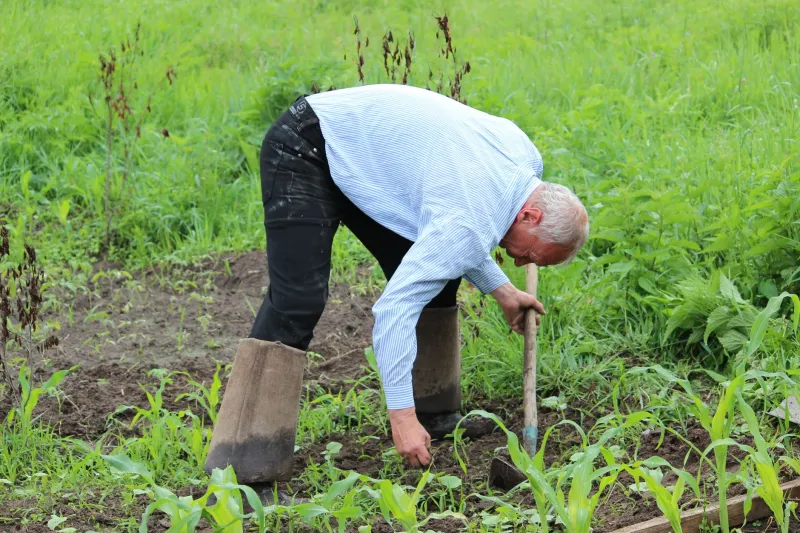
Then, starting in late February or March — often earlier than made practical sense given frost risk — these women were outside. Turning soil. Starting seedlings in window boxes. Transplanting cold-hardy greens. The specific timing of this outdoor activity, which often began 6 to 8 weeks before the last frost, meant consistent daily sunlight exposure during exactly the period when seasonal depression typically peaks.
Light therapy, the modern clinical treatment for seasonal affective disorder, works by delivering bright light to the retina during morning hours to reset circadian melatonin and cortisol rhythms. These women were going outside in the morning to tend early-season seedlings and doing essentially the same thing — without the $200 lightbox.
The Nutrient Timing Piece
What makes this particularly interesting to researchers like those working in the chrononutrition space is that it wasn't just what these families ate but when the nutritional profile shifted.
Magnesium intake, for instance, spiked in late summer as they consumed fresh green vegetables at peak harvest — and magnesium deficiency is now one of the most studied nutritional factors in depression and anxiety. Vitamin D, synthesized through skin exposure to sunlight, was consistently reinforced through the outdoor garden work that bookended the darkest months of the year. And the fermented food consumption, concentrated in winter, delivered probiotic strains that research has linked to reduced cortisol reactivity.
None of this was calculated. These women weren't reading nutrition journals. They were following inherited rhythms — seasonal practices passed down through generations in agricultural communities where the calendar itself dictated how you ate and when you worked outside.
But the result was a nutritional calendar that tracked the body's seasonal vulnerabilities with surprising precision.
Why It Disappeared
The kitchen garden tradition faded steadily through the mid-20th century as urban families gained access to year-round supermarket produce, as yard space shrank in suburban developments, and as the cultural pressure to assimilate pushed second and third-generation families away from practices that felt old-fashioned.
With it went the seasonal rhythm. Suddenly, you could eat the same foods in January that you ate in August — which sounds like progress, but it flattened the nutritional variation that had been doing quiet protective work all along. And the outdoor morning activity that came with garden work? Replaced by commutes and indoor offices.
Seasonal depression rates in the US have climbed steadily over the same period that these traditional food rhythms dissolved. That correlation isn't proof of causation, but it's not nothing, either.
What You Can Actually Take From This
You don't need a backyard or a Polish grandmother's recipe for fermented beet kvass to apply some version of this. The underlying principles are accessible.
Get outside in the morning starting in February — even for 15 minutes. The light exposure matters more than the temperature. Build fermented foods into your winter diet: kimchi, yogurt, sauerkraut, kefir. And consider eating more magnesium-rich foods — leafy greens, pumpkin seeds, black beans — in the fall, when your body may be banking reserves for the darker months ahead.
The immigrant grandmothers who built their gardens behind the tenements weren't doing wellness. They were just doing what their mothers had taught them. It took a century and a field of nutrition science that didn't exist yet to understand why it worked so well.