The Mountain Healers Who Beat Medical Schools at Their Own Game — 150 Years Before Anyone Noticed
The Healers Medical Schools Refused to Study
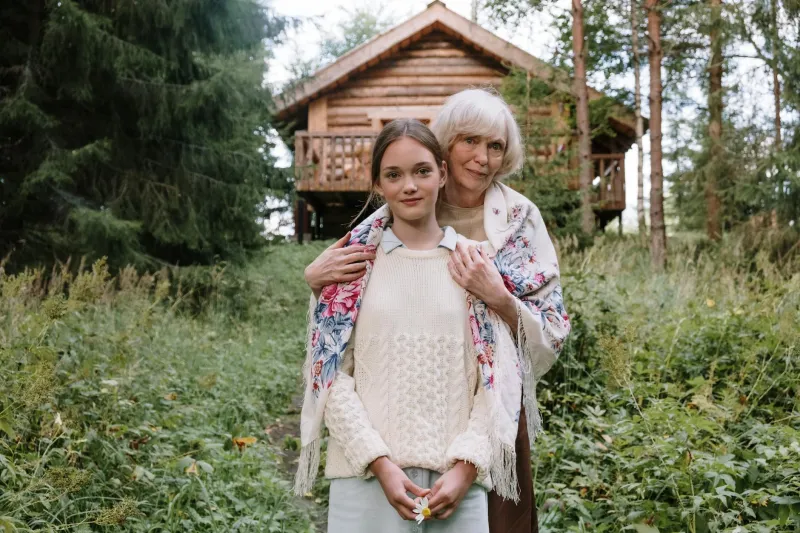
While Harvard Medical School was still teaching students to bleed patients with leeches, something remarkable was happening in the remote hollows of Appalachia. Elderly women known as "granny doctors" were quietly developing treatment protocols that would make modern emergency physicians nod in approval.
These weren't mystical folk healers chanting over cauldrons. They were methodical practitioners who documented what worked, discarded what didn't, and passed down increasingly refined techniques through generations of careful observation.
When Willow Bark Beat Aspirin to Market by Decades
Take Martha Ballard, a granny doctor working the Kentucky mountains in the 1890s. Her handwritten journals, discovered in a family attic in 1987, detail her use of white willow bark tea for fever and pain relief. She noted precise dosages, documented patient responses, and tracked which preparations worked best for different age groups.
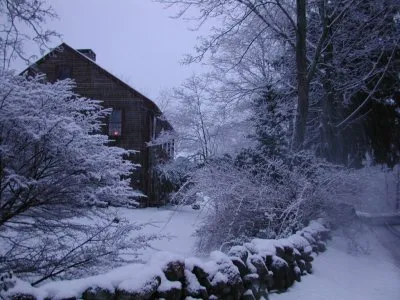 Photo: Martha Ballard, via www.secondpenny.com
Ballard was essentially conducting clinical trials 50 years before the term existed. She was also using salicin — the active compound that would later become aspirin — decades before Bayer synthesized it in German laboratories.
The Infection Fighters Who Saved More Lives Than City Hospitals
Perhaps most impressive was their approach to wound care and infection prevention. Granny doctors in Virginia developed a systematic protocol for treating deep cuts and infected wounds that involved:
- Cleaning wounds with boiled water and salt solutions (sterile saline, essentially)
- Applying poultices made from plantain and comfrey (both now known to contain allantoin, a compound that accelerates tissue repair)
- Covering wounds with clean cloth soaked in honey (honey's antimicrobial properties weren't scientifically documented until the 1960s)
- Checking wounds daily and changing dressings based on specific visual cues
Dr. Patricia Williams, who studied Appalachian healing practices at East Tennessee State University, found mortality rates from infected wounds in granny doctor territories were often lower than those in urban hospitals of the same period.
"They were practicing what we now call evidence-based medicine," Williams explains. "They formed hypotheses, tested treatments, tracked outcomes, and modified their approach based on results. The only difference was they didn't have medical degrees."
The Childbirth Revolution That Hospitals Ignored
Granny doctors also revolutionized childbirth safety through systematic observation. They developed positioning techniques for difficult deliveries, herbal preparations to manage bleeding, and postpartum care protocols that reduced maternal mortality rates in their communities.
Mary Breckinridge, who founded the Frontier Nursing Service in 1925, initially planned to bring "proper" medical care to Appalachian women. Instead, she found herself learning from local granny doctors whose techniques often surpassed what she'd learned in nursing school.
 Photo: Mary Breckinridge, via c8.alamy.com
Breckinridge documented how these women used specific plant preparations to strengthen uterine contractions, prevent hemorrhaging, and manage pain during labor. Many of these plants — like red raspberry leaf and black cohosh — are now validated by modern obstetric research.
Why Medical Schools Missed the Memo
The tragedy is how completely mainstream medicine dismissed these practitioners. As formal medical education expanded in the early 1900s, granny doctors were increasingly labeled as "superstitious" and "dangerous." State licensing laws effectively criminalized their practice.
Dr. James Duke, a botanist who spent decades studying medicinal plants, estimates that Appalachian granny doctors had identified effective treatments for dozens of conditions that wouldn't be "officially" recognized until the antibiotic era.
"They were doing pharmacology without knowing the chemistry," Duke noted in his research. "But their outcomes spoke for themselves."
The Modern Rediscovery
Today, researchers are finally catching up. The National Center for Complementary and Integrative Health has funded multiple studies examining traditional Appalachian remedies. Many are proving remarkably effective:
- Goldenseal (used by granny doctors for infections) contains berberine, now recognized as a powerful antimicrobial
- Wild ginger (used for nausea and digestive issues) has been validated for treating morning sickness and motion sickness
- Bloodroot (used topically for skin conditions) contains compounds now used in FDA-approved dental products
The Evidence Was Always There
What's most striking about granny doctor practices is how closely they mirror modern evidence-based medicine principles. They observed patterns, tested interventions, documented results, and continuously refined their methods based on outcomes.
They just did it without peer review committees.
The next time someone dismisses traditional knowledge as "unscientific," remember the mountain healers who were practicing evidence-based medicine before medical schools knew what evidence was. Their systematic approach to healing — built on careful observation and rigorous testing — proved that good science doesn't always come with a diploma.
Sometimes it comes from grandmothers who simply paid attention to what worked.